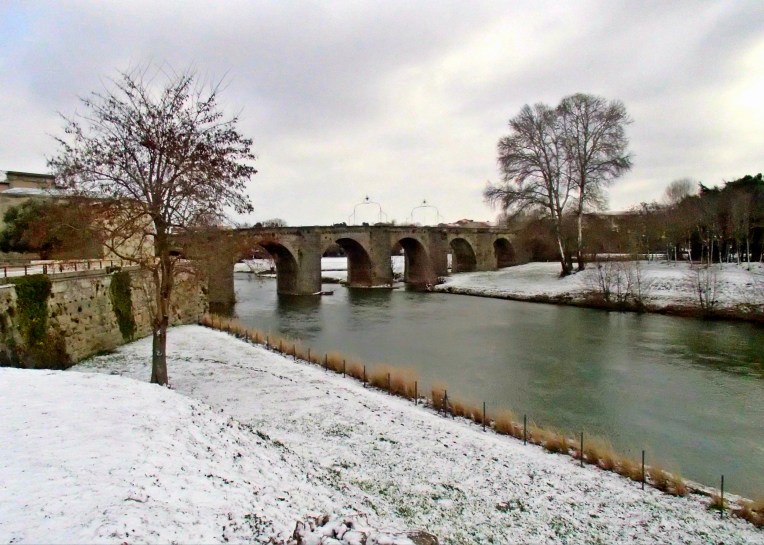
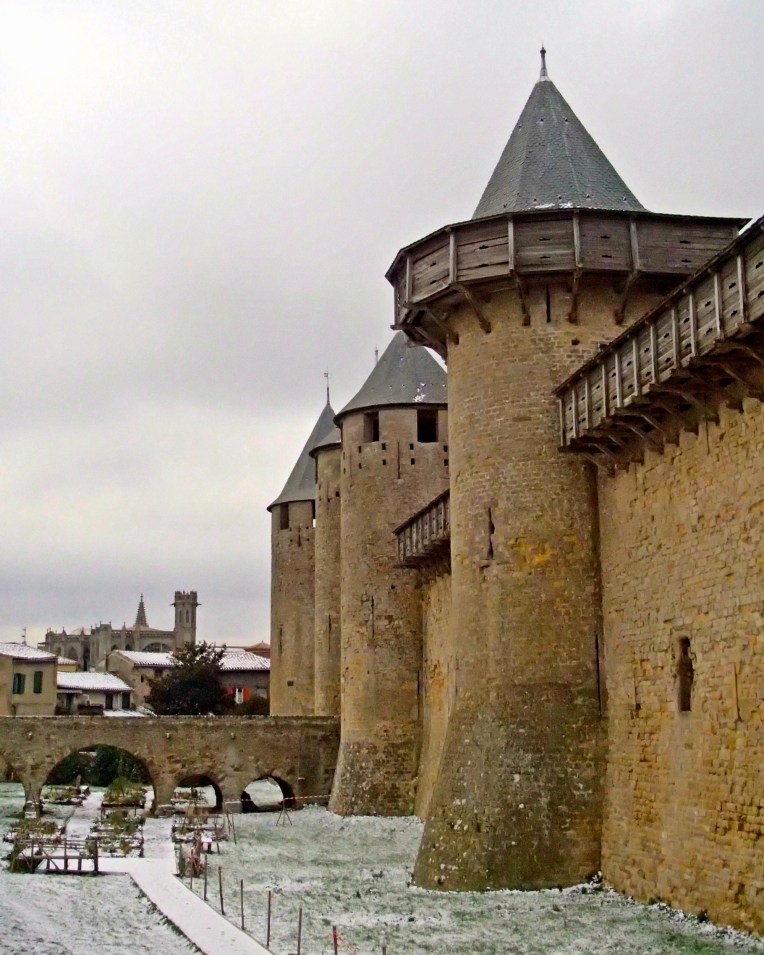
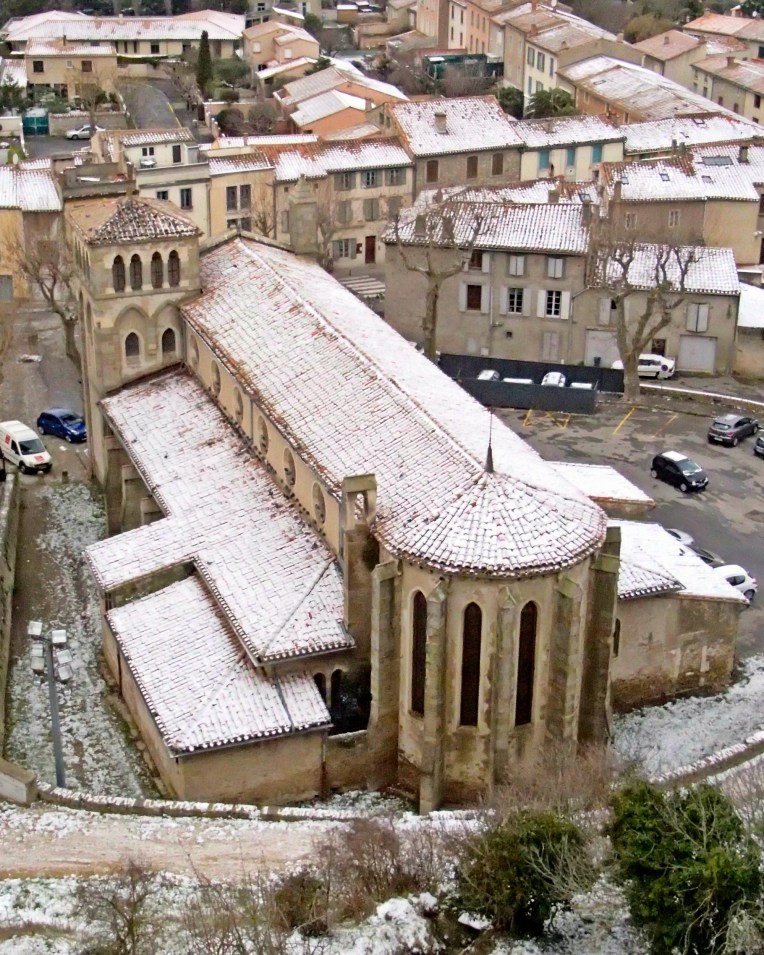
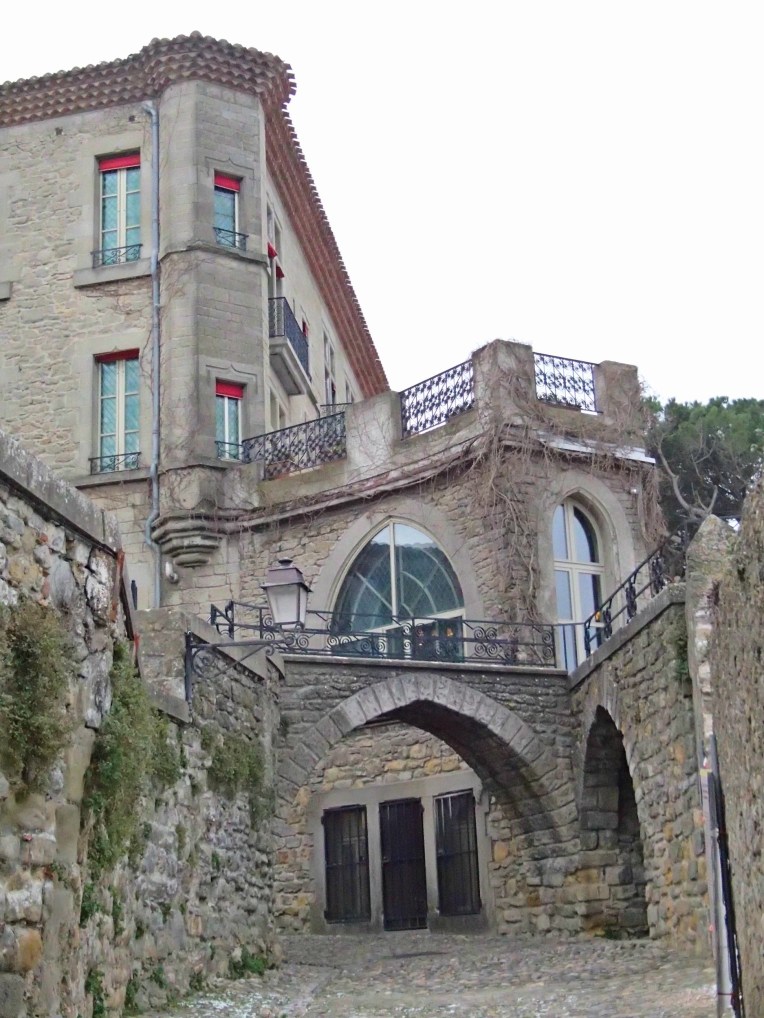
Fifteen photos taken “just walking around the neighborhood” on the way up to the Cité Médiévale de Carcassonne after a light dusting of snow in Carcassonne. This week has been the first snow Tracy and I have seen in our last two years in Carcassonne.
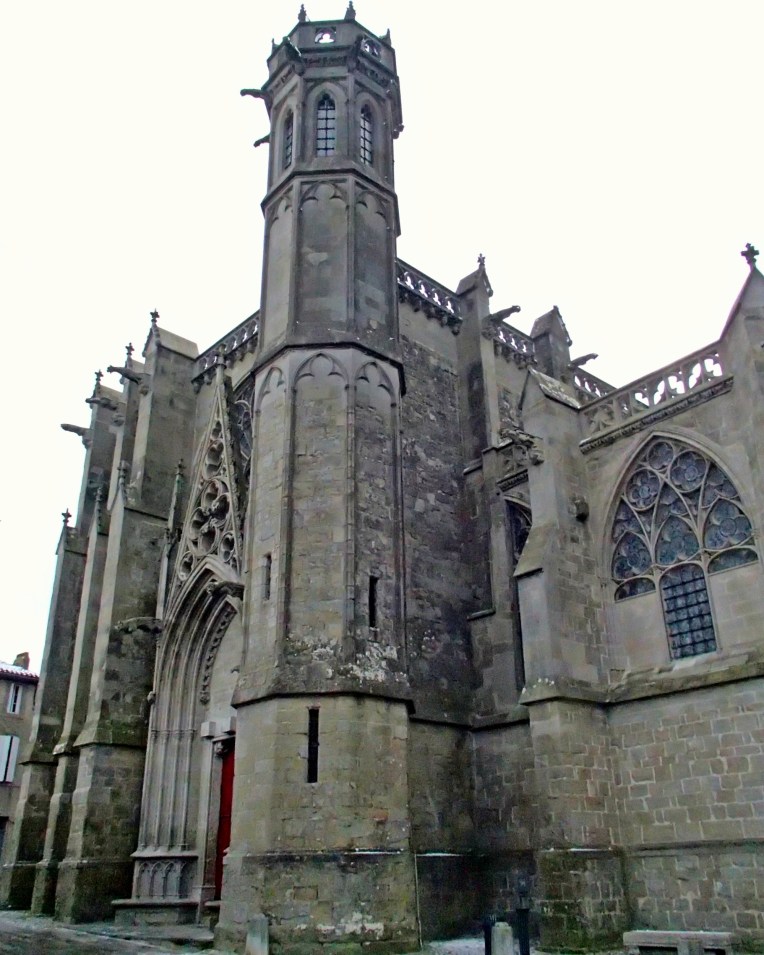
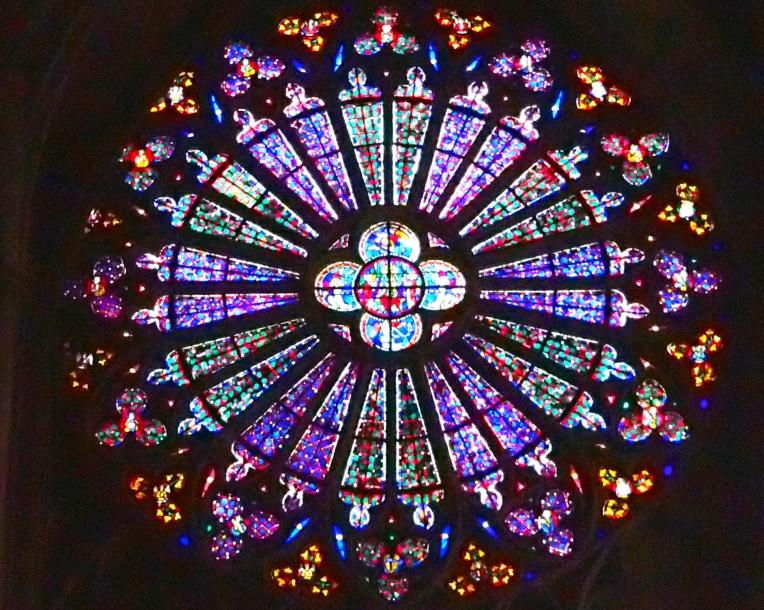
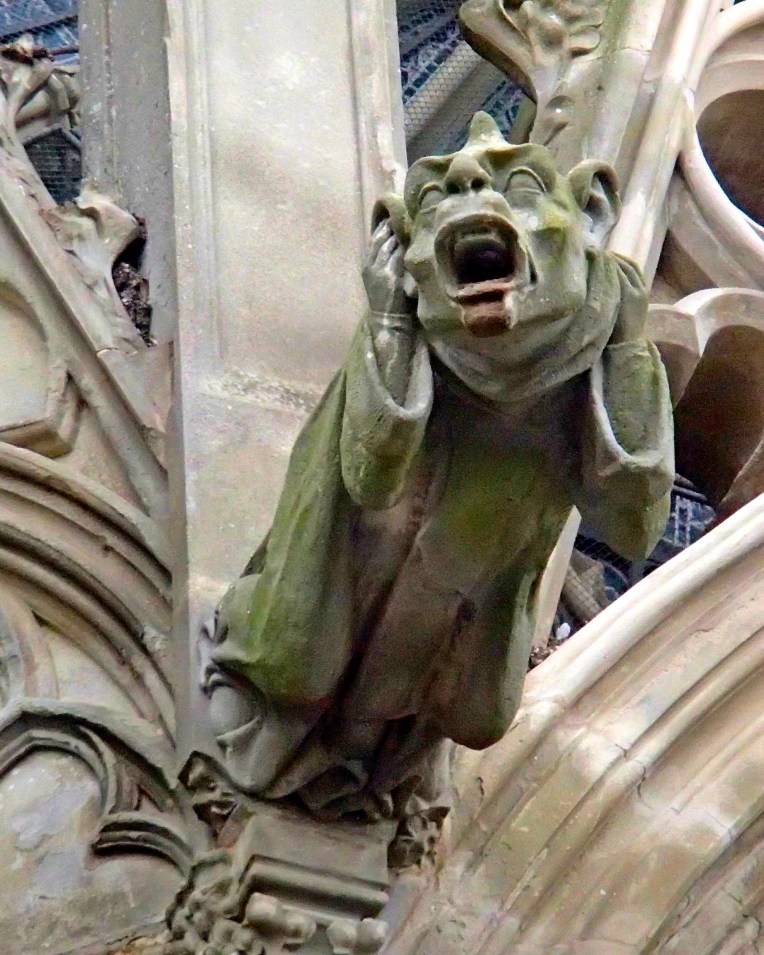
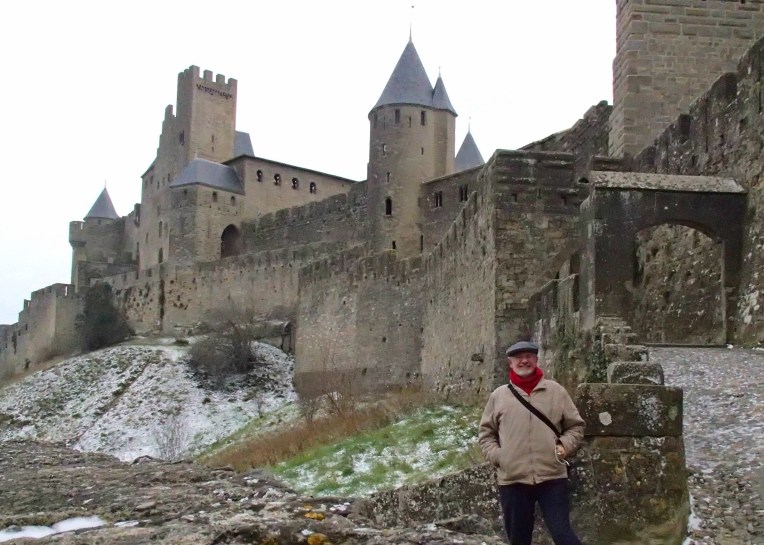
View of the 14th century Pont Vieux (Old Bridge) from the Quai BellevueView of le Cité de Carcassonne from the Quai BellevueLight snow in the moat surrounding le Cité de Carcassonne.The Porte de Narbonne (Narbonne Gate) entrance to le Cité de Carcassonne.Light snow in the moat outside the walls of le Cité de Carcassonne.Cross at Place Marcou in le Cité de Carcassonne.Snow surrounding the ramparts of the Le Château Comtal (Count’s Château) within Cité de Carcassonne.Snow on the roof of Eglise Saint-Gimer (Church of Saint Gimer) seen from the ramparts of le Cité de Carcassonne.Rue du Four Saint-Nazaire within le Cité de Carcassonne.Basilique Saint-Nazaire-et-Saint-Celse de Carcassonne (Basilica of St. Nazaire and St. Celse) within le Cité de CarcassonneStained glass is Basilique Saint-Nazaire-et-Saint-Celse de Carcassonne (Basilica of St. Nazaire and St. Celse) within le Cité de Carcassonne.Rose window stained glass is Basilique Saint-Nazaire-et-Saint-Celse de Carcassonne (Basilica of St. Nazaire and St. Celse) within le Cité de Carcassonne.Gargoyle outside Basilique Saint-Nazaire-et-Saint-Celse de Carcassonne (Basilica of St. Nazaire and St. Celse) within le Cité de Carcassonne.Alan standing near the Porte d’Aude (Aude Gate) entrance to le Cité de Carcassonne.Light snow of the Ile De La Cite De Carcassonne (Island of Carcassonne) seen from the Pont Vieux (Old Bridge.)
Thirteen photos taken “just walking around the neighborhood” in the Ville Basse (the lower city) of Carcassonne.
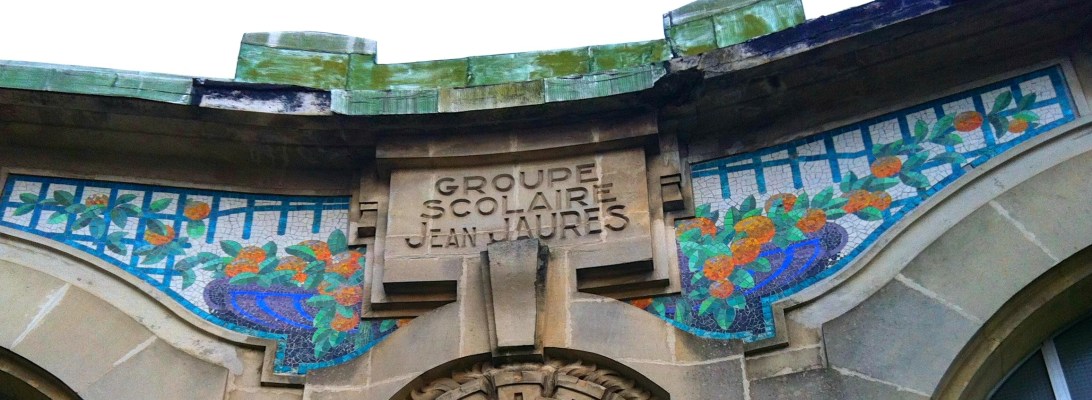
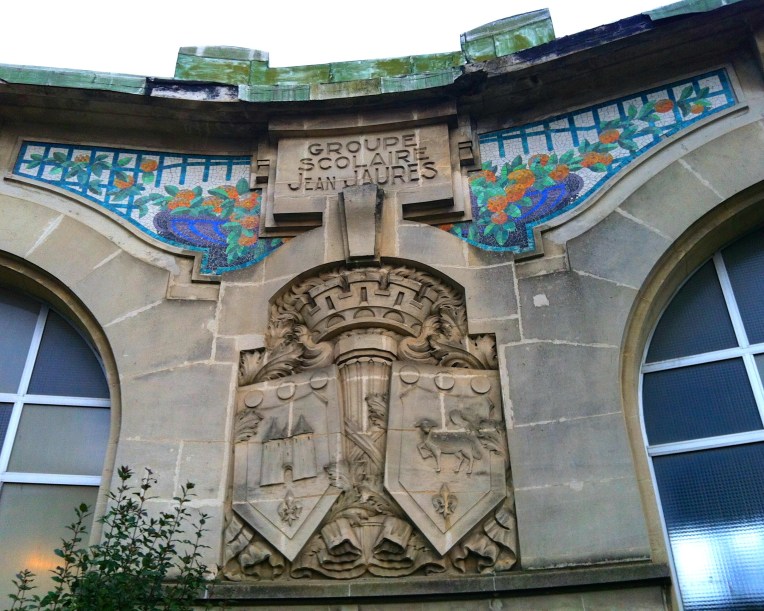
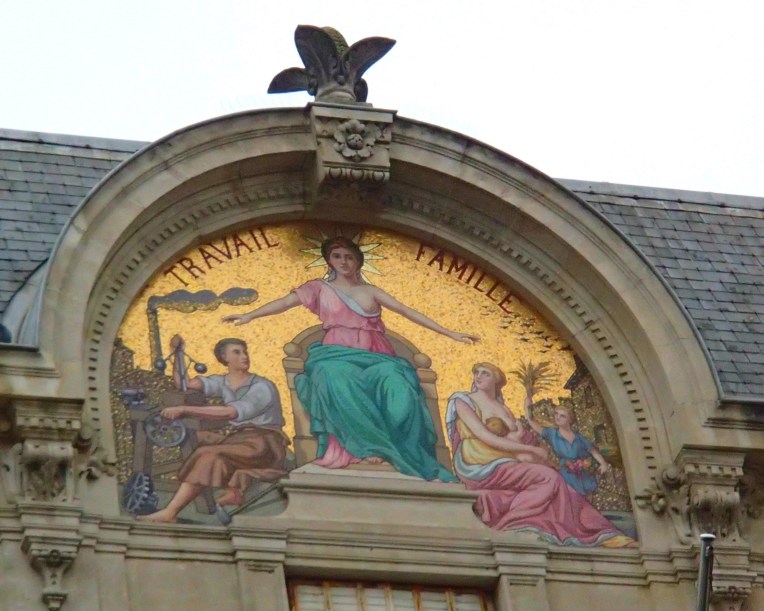
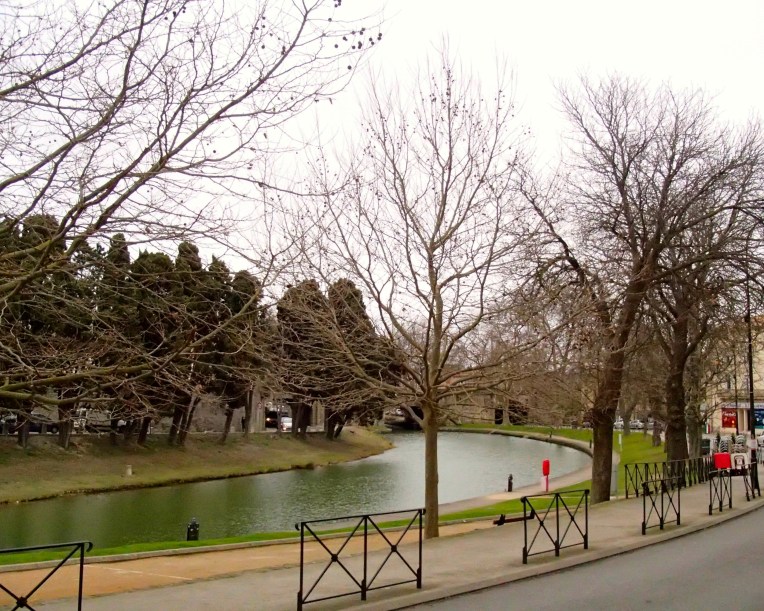
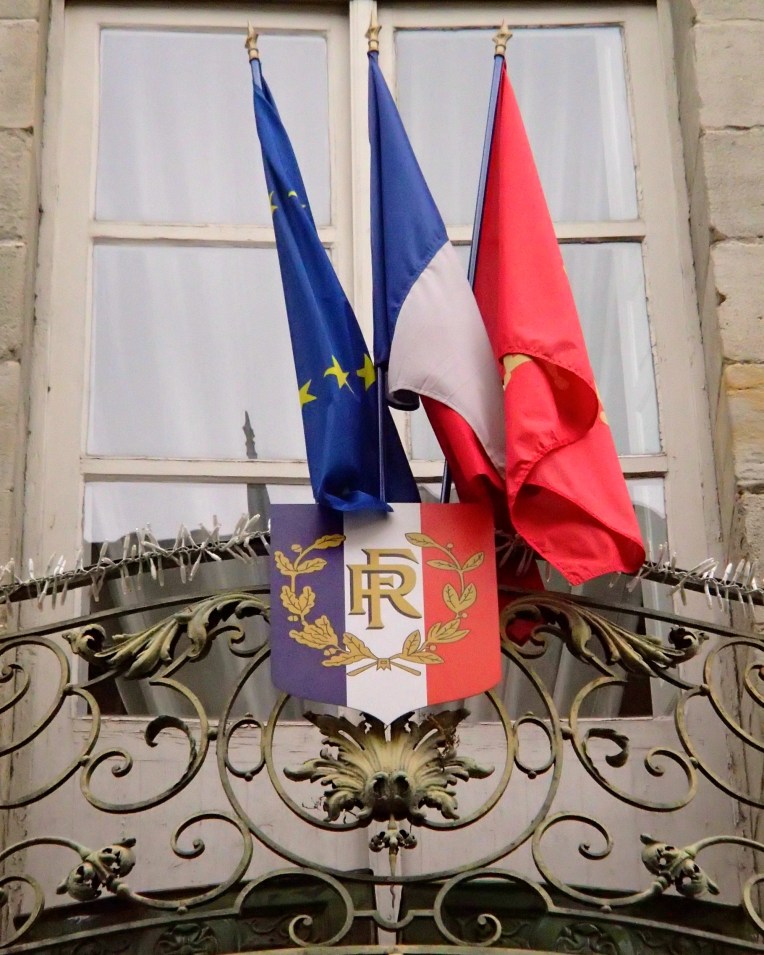
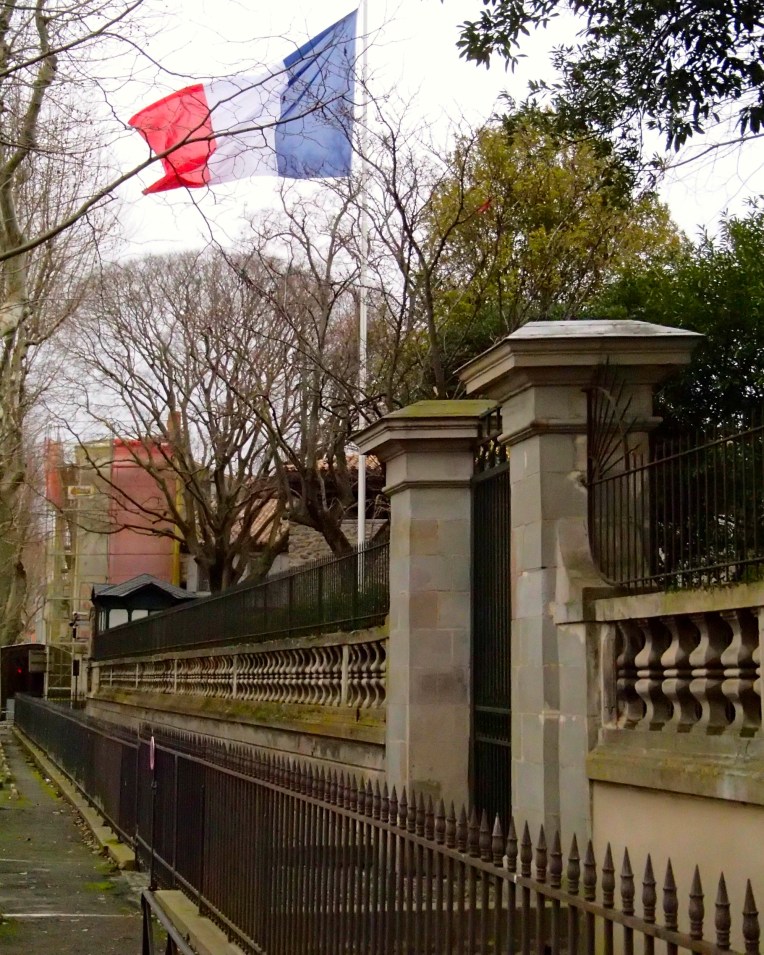
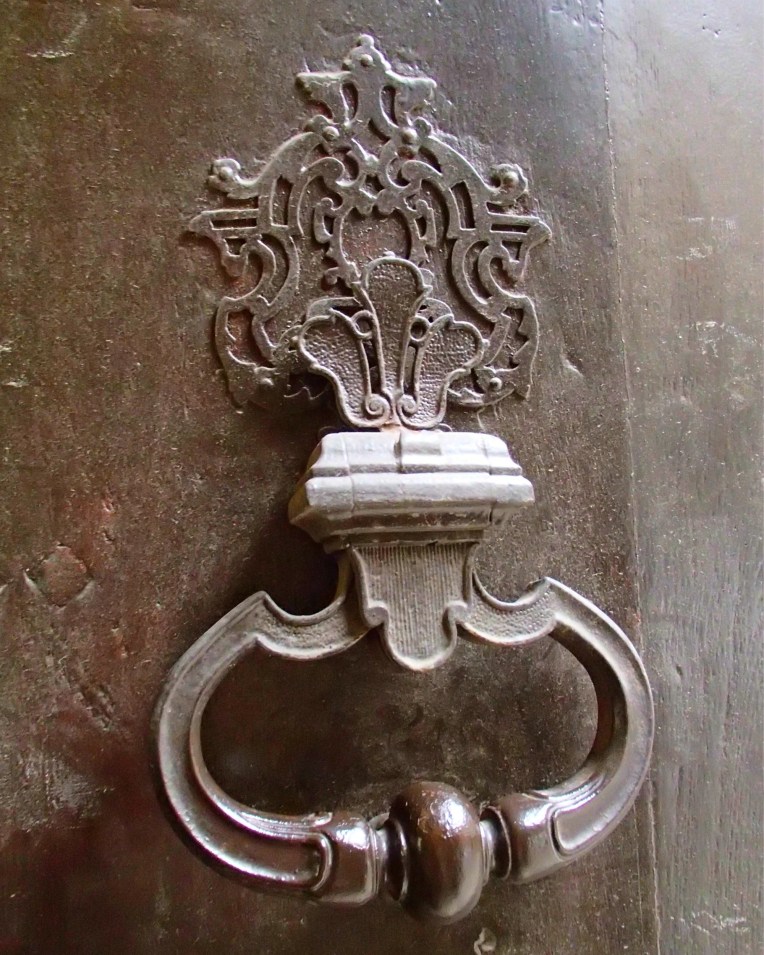
Ecole Primaire Jean Jaurès (Jean Jaurès Primary School) on Boulevard Jean Jaurès.Classic Citroën 2CVAntique door knocker along Rue du Pont Vieux“Work” and Family” mural above the Caisse d’Epargne Bank at Boulevard Camille PelletanHarlequin wall tiles across from the Tourist Office on Rue de Verdun.The Canal du Midi in JanuaryThe flags of the European Union, France, and Languedoc region outside the Mairie (Town Hall.)The French tricolor flying outside the Préfecture de l’AudeOur favorite breakfast pastry, the Pain au Chocolat also locally called a chocolatine.Antique door knocker outside the Mairie (Town Hall.)A café in the Bar Tabac de la Poste on the Rue Barbès.Cornice with the date 1906 above L’Office de Tourisme de Carcassonne on the Rue de Verdun.Hôtel de Police de Carcassonne (Police Nationale headquarters) on Boulevard Barbès.
Seven photos taken “just walking around the neighborhood” in the Ville Basse (the lower city) of Carcassonne.
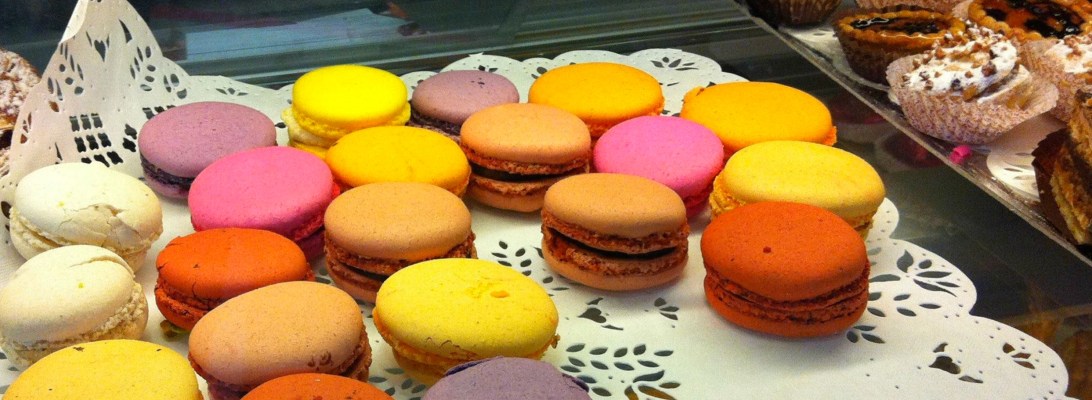
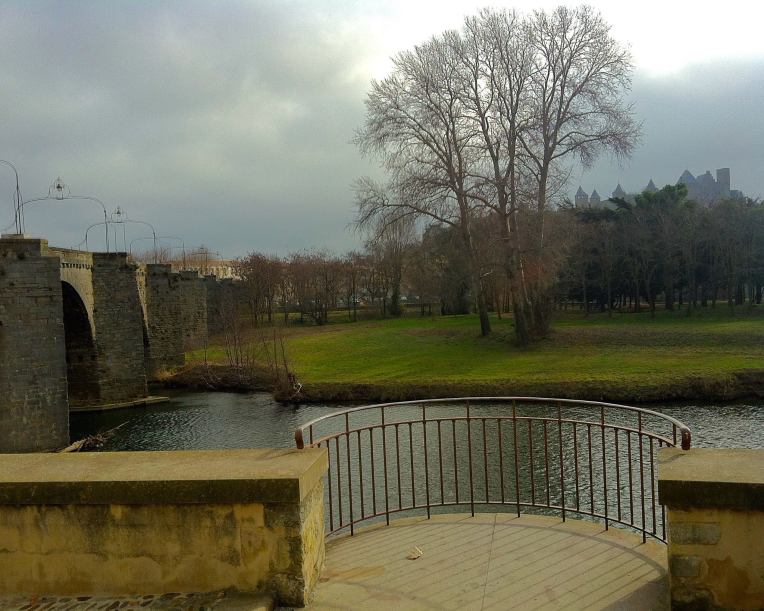
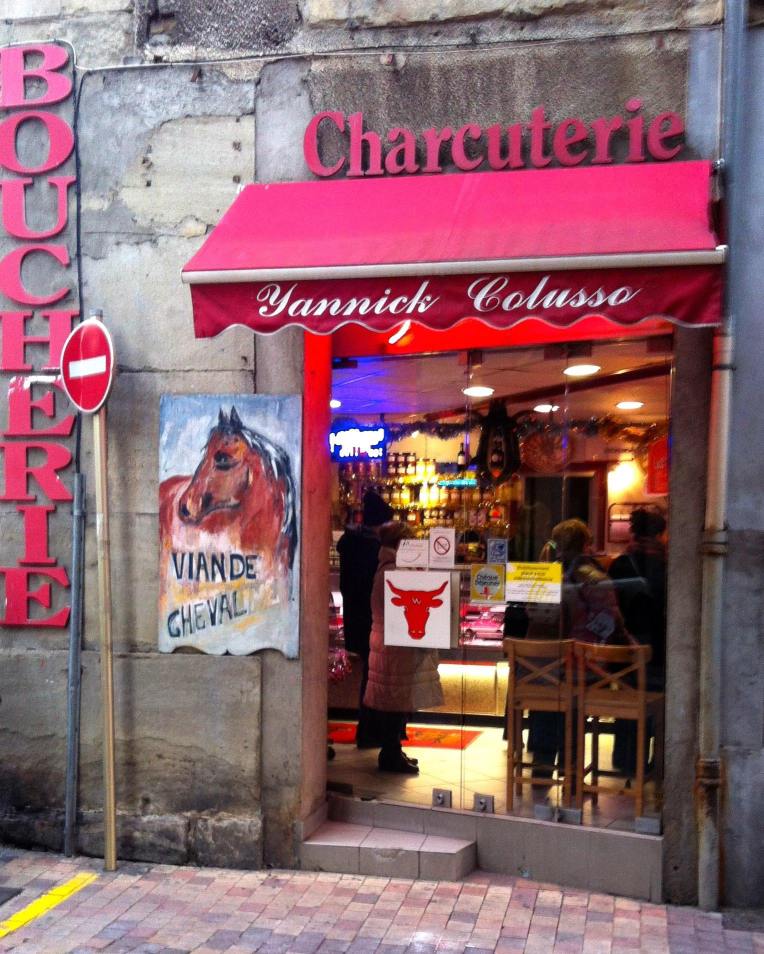
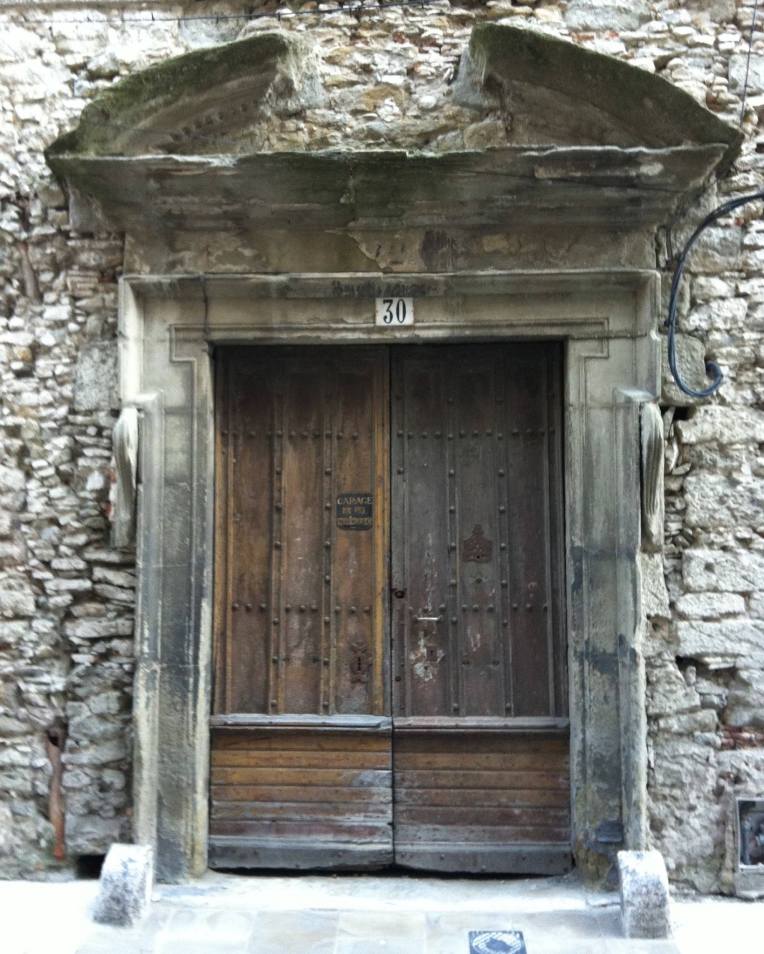
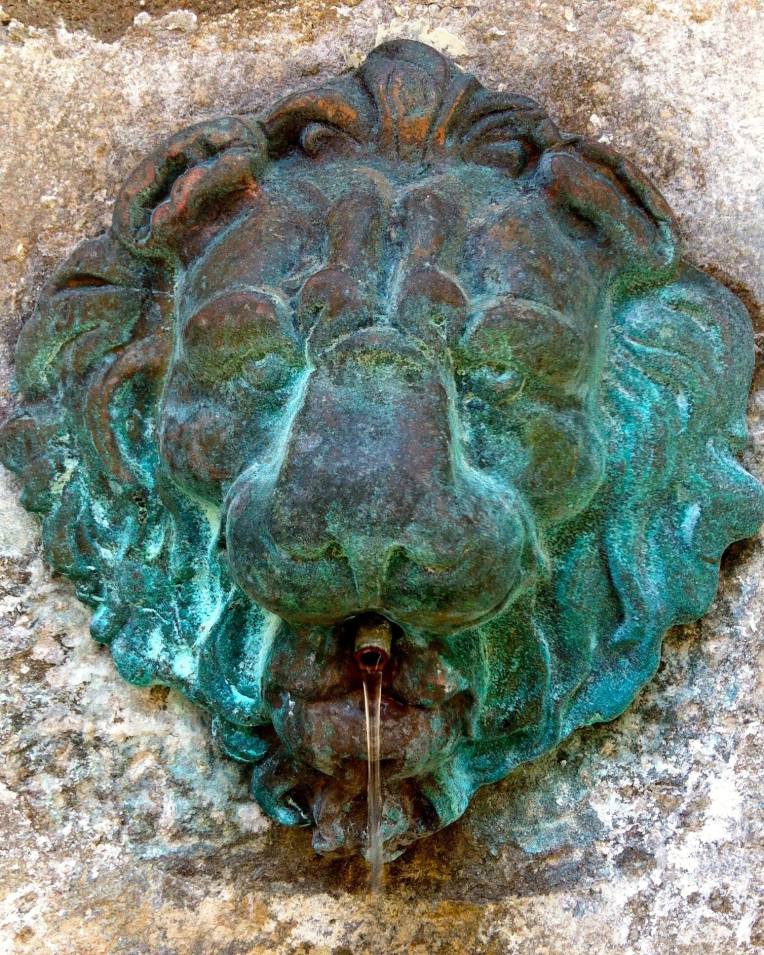
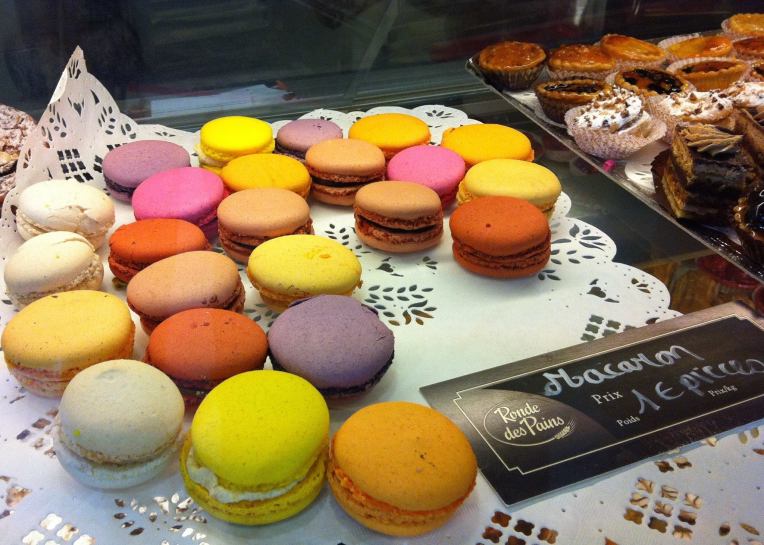
The Pont Vieux (Old Bridge) on the left, the balcony next to the Chapelle Notre Dame de la Sante overlooking the River Aude, and the medieval Cité de Carcassonne on the hill above.A Boucherie-Charcuterie on the Rue de Verdun. The sign in front advertises the availability of horse steak.An ornamental carved lintel above a door on the Rue CoutejarieDetail of a hammered iron hinge on the front door of Cathédrale Saint-Michel de CarcassonneA striking antique door and frame on the Rue Coste Reboulh.Verdigris on the lion’s head fountain located behind the Portail des Jacobins (Jacobin Gate.)Macarons displayed at a pâtisserie.
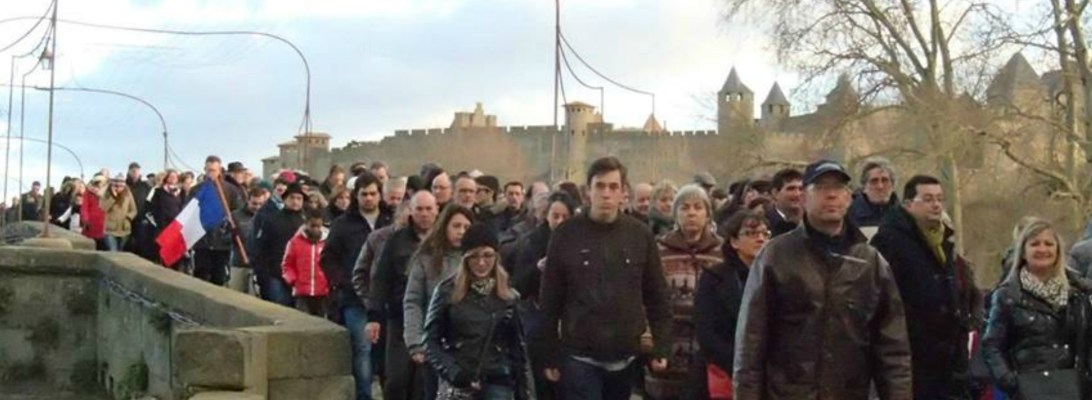
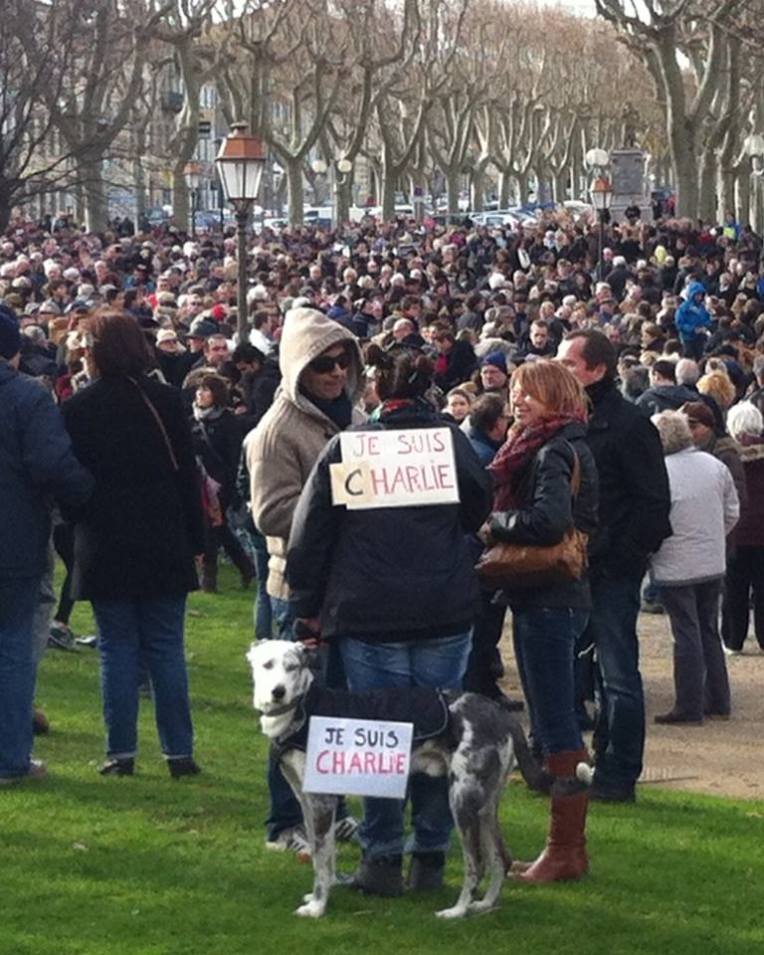
On Saturday and Sunday, January 6 and 7, about 3.7 million residents of France, with 1.5 million in Paris alone, conducted national Unity Rallies in memorial to the victims of the Charlie Hebdo magazine and the Hyper Cacher kosher grocery store in Paris.
Twenty thousand marched in Carcassonne, a community of about 50,000 residents. The tragedy created a consolidating influence similar to what occurred in the US after the 9/11 attacks, Oklahoma City Bombing, and Boston Marathon Bombing. There was very much a “United we stand, divided we fall.” message being conveyed.
Alan participated in the one hour event that included a “Blanc Marche” or White March from the Jacobin Gate to La Cite de Carcassonne, while Tracy and Sami stayed in and watched the Paris Unity Rally live via an online link.
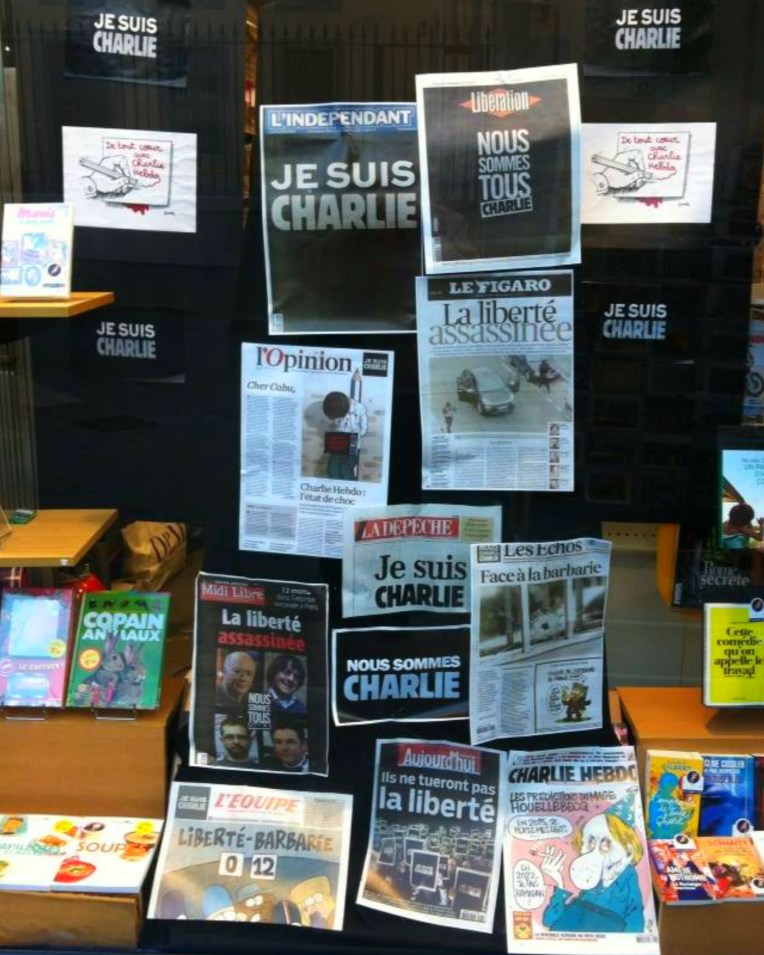
After the mass murder of 12 people at the Charlie Hebdo magazine office in Paris on January 7, 2015, there has been an outpouring of support for the Freedom of Expression and journalism, whether satire or straight news reporting, in France. It started as a hashtag on Twitter of #JeSuisCharlie (I am Charlie) to show support to the victims and survivors of this terrible act of terrorism. #JeSuisCharlie soon moved to the front page of newspapers around the country and to people and businesses posting “Je Suis Charlie” in their windows. We were pleased to see “Je Suis Charlie” posted around Carcassonne which has also hosted Unity Rallies advocating free expression and in memory of the victims.
#JeSuisCharlieNewspaper shop display for #JeSuisCharlie
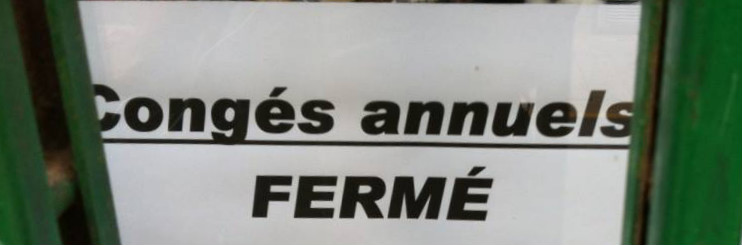
In the months of July and especially August, it is not unusual for Tracy and I to see a local French businesses closed with a sign on the door saying, “Congés Annuels -Fermé” (closed for annual leave).
This slideshow requires JavaScript.
I was recently visiting our local pet store buying dog food for Sami the MinPin and the proprietors made a point of reminding me that they would be closed for the month of August for their Congés Annuels. So I purchased a second bag of dog food to get us through the month and wished them a bonnes vacances.
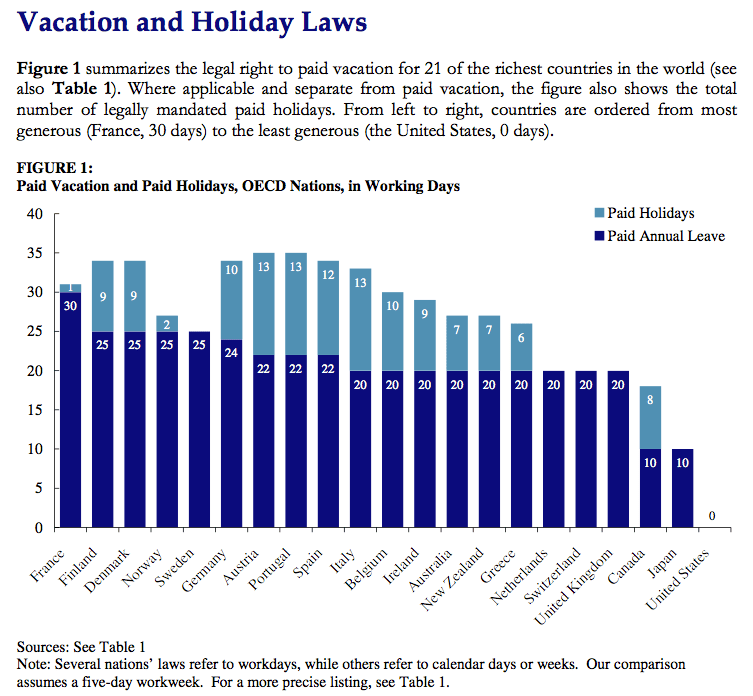
It is a norm for French people to take a month off in July or August for annual vacation with often entire businesses closing for the month. Tracy and I are learning to plan our shopping and dining accordingly around Congés Annuels. Some French people identify themselves as “Julyists” (who take their month-long vacations in July) and “Augustists,” (who take their vacation in August.) Since we currently live in a tourist town where many French people visit during their holidays, some businesses and workers will take their Congés Annuels later in the year, often over the Christmas/New Years season. Coming from America, it’s a major culture shift to see these annual month-long holidays in France (and there are additional holidays throughout the year.) The French have long cherished their vacation time with family and enjoying recreation prior to returning to their careers refreshed and rejuvenated.
While some businesses and organizations may believe they are enjoying short-term savings and productivity from unused vacation days, many other organizations are realizing the long-term costs of employee burn-out and increased attrition for their organizations. Some US businesses and organizations are now trying to create a culture of encouraging employees to make full use of vacation time or even requiring its use.
Some workers are able to “roll over” vacation time to their advantage for planning an extended vacation or an extended maternity/paternity leave. On retirement, Tracy had an exceptional option of having her remaining vacation days, along with her sick days, paid off at separation, an option she made full use of during our retirement planning. As faculty I had no vacation time or sick time at retirement (like many peoples’ excess annual vacation time) was “use it or lose it.”
In the mean time, Tracy and I are enjoying the phenomenon of “Congés Annuels” in France and thinking how we would have greatly enjoyed the extra vacation time with our children when they were growing up.
“No one ever said on their deathbed, ‘I wish I’d spent more time at the office.’ ” ~ Harold Kushner
I recently read a Buzzfeed humor article, 31 Important Things You Learn When You Move Across The World. The article had two lines that really struck a chord with me: “You learn that forms that ask for a “permanent address” are evil, and didn’t account for people like you” and “‘Please provide a permanent address.’ *Cue Panic Attack*”
There is a lot truth in those lines, with Tracy and my retirement lifestyle of selling our home, being expats living abroad, short-term renting, and changing our city of residence every year or two has made us – by some definitions – without a permanent address.
In my previous career in police work, “No Permanent Address” or “No Fixed Address” was a euphemism for a person being homeless. (Tracy and I commented about being “homeless” after selling our house and the lease running out on our apartment rental just prior to our departure to Europe. It was an unsettled feeling for us, but certainly not the same as the reality faced by real homeless people.)
Wikipedia defines ” ‘No Fixed Abode’ or ‘Without Fixed Abode’ (as) a legal term generally applied to those who do not have a fixed geographical location as their residence. This is applicable to several groups:
People who have a home, but which is not always in the same place:
Those whose occupation requires them to live permanently on boats, ships, or movable oil platforms, or to travel constantly (as showmen, for example).
Nomadic peoples (e.g. Indigenous Norwegian Travellers and Romanichal) and traveller groups (e.g. Irish Travellers, Scottish Gypsy and Traveller groups, New Age Travellers, Norwegian and Swedish Travellers); as well as individuals who adopt a mobile lifestyle, living in narrowboats, recreational vehicles, or the like.
While we do have friends who are full-time RV travelers in the US, almost all of them currently own a piece of real estate or physical home somewhere (even if it is currently rented to a tenant.) Tracy are I are hardly vagabonds who are randomly camping in Roma settlements around France, but our process of moving frequently creates a necessity of updating our visa status, address, and other issues with French government agencies. Our French visas actually classifies us as long-term “visiteurs” rather than as residents.
No longer owning a home in America and not physically living there has created a bit of a “grey area” with residency. What is our “permanent address?”
The concept of “no permanent address” is a legitimate concern in today’s world. In these modern times, if you want to vote, have a driver’s license, open a bank account, register a vehicle, have a credit card, or obtain health insurance, it isn’t just enough to have a U.S. passport, you need a permanent address. In addition to American expatriates living abroad, this is a very common problem in the full-time RV community in the US. A post office box in many states is insufficient for a legal domicile. The demand for a “permanent address” has spawned companies (especially in Texas and South Dakota, Escapees RV Club being one example) who cater to full-time travelers by legally providing a permanent address.
Tracy and I, like many expats, have elected to use a family member’s address as our permanent address in our former hometown of Reno, Nevada. (When I was college-aged I used my parent’s address as my permanent address as I “hopscotched” between living arrangements and roommates.) Because of Tracy and my decades-long connection to Reno and Sparks as residents, students, workers, taxpayers, homeowners, raising children and still having local family, and it being our last home, Reno serves as our official, permanent US residence.
This need for a permanent address isn’t just an issue for RVers and expats. George H. W. Bush had a long career of public service as a congressman, ambassador to the UN, envoy to China, director of the CIA, vice president, and finally president of the US. That career frequently required that he lived in Washington D.C., New York, Virginia, Maryland, or overseas. From 1985 until his retirement in 1993 he used the Houstonian Hotel, Club & Spa in Houston, Texas as his legal domicile and official voting address (although he moved out of Houston in 1981, stayed at the Houstonian intermittently, paid rent only for days his rooms were actually occupied, and owned an actual residence in Kennebunkport, Maine.) Former President Bush had signed an affidavit stating that he would build his retirement home in Houston and the “intent” stated in that document satisfied Texas that he was a bona fide resident of Texas (although Texas’ action did annoy some residents of Maine who, because of his home in Maine, felt former President Bush should have been considered a Maine resident and pay the Maine state income tax.) After leaving public office former President Bush did make good on his promise and retired to Houston.
By no means do Tracy and I attempt to be “Perpetual Travelers” whose primary motive is to avoid becoming legal residents of any country with the ultimate goal of tax avoidance and evading any legal responsibilities of residency. We contribute our fair share and fulfill our responsibilities to our countries of citizenship and occupancy.
While Tracy and I like to entertain a romantic fantasy of ourselves living a free-spirited, Bohemian, and unconventional expat life (cue images of Hemingways’s “Lost Generation” traveling from Paris to Pamplona in the 1920s or Montmartre’s diverse arts community from the movie, “Moulin Rouge!”), we are actually fairly orthodox, living within the many rules of “the system,” and we are definitely “on the grid” with a permanent address . . . but with an untraditional – and ever-changing – physical address.
Ernest Hemingway seated in 1925 with the persons depicted in the novel “The Sun Also Rises.” The individuals depicted include Hemingway, Harold Loeb, Lady Duff Twysden; and Hadley Richardson, Ogden Stewart and Pat Guthrie. John F. Kennedy Presidential Library and Museum, Boston
“I thought to see fair Carcassonne, that lovely city—Carcassonne!” ~ Gustave Nadaud
Our return flight from Rome to Marseille via Ryanair went as smoothly as the initial flight. However we did have some concerns since the French rail strike was still going on. But our train was one of the 60% still scheduled and running. At the “moment of truth” the train arrived and we had our assigned seats waiting for us with no overcrowding. All in all we had been extremely lucky working around the national rail strike.
This slideshow requires JavaScript.
We enjoyed the trip west along the Mediterranean coast and made it back to our current home in Carcassonne.
This slideshow requires JavaScript.
We took a day to hike to the top of Château de Montségur is a former fortress located about 80 kilometers (50 miles) southwest of Carcassonne near the Pyrénées mountains and the Spanish border. The ruins are the site of a razed stronghold of the Cathars. The fortress is referred to as one of the “Cathar castles” that gave shelter to Cathars during the Albigensian Crusades.
This slideshow requires JavaScript.
We also visited the nearby village of Mirepoix which has a substantial medieval ambience.
This slideshow requires JavaScript.
Casey and Megan were finally able to catch up on some much-needed rest in Carcassonne and enjoy the vacation part of their trip. And Casey discovered Ricard pastis as a traditional summer-time French beverage. At the end of their stay (with the rail strike finally over) Casey and Megan took the train back to Paris for a two-night stay with tickets for a day at Disneyland-Paris. Knowing he is a big fan of Mickey, it was our birthday present to him.
This slideshow requires JavaScript.
We waited until the last possible minute to warn them that there was talk of an air-traffic controller strike. Our silence paid off as at the last-minute the strike was culled down to only 10% of planes and limited to those going to other European countries. The kids made it to the airport and their British Airways flight without suffering through any more of France’s transportation worker strikes.
All in all it was a fantastic visit. We enjoyed meeting Megan and seeing Casey. We were overjoyed to finally being able to congratulate him in person for his university completion. The kids followed up their visit with a nice long Skype date so that we could meet their daughter, Izzy. The best thank you ever!
“St. Peter’s Basilica, the greatest church in Christendom, representing the power and splendor of Rome’s 2,000-year domination of the Western world.” ~ Rick Steves
Casey wanted to visit a micro-nation. Originally he wanted to see Monaco (I believe because of his computer-like math capacities and the world-famous casinos – see the film, “21“), but the idea of walking completely across a country in just minutes intrigued Casey too. He enjoyed the concept and structure of a modern city-state, complete with its own military, police, broadcast facilities, and international ambassadors known as Nuncios.
We started with a visit to the famous Musei Vaticani (Vatican Museum) and the adjacent Cappella Sistina (Sistine Chapel.) While we stood in line Casey and Megan went far to try real Italian gelato which they gave two “Thumbs Up.” While waiting the clouds gathered again and we were rained on once more as we waited for entry. True to our past experience, new immigrants arrived to the waiting visitor with a selection of folding and full size umbrellas, ponchos, and rain coats. Fifteen minutes before the storm the same men had been selling souvenirs. Our “entrepreneurs” worked the line almost to the point of aggressiveness, wanting to make their money quickly before the rain stopped. Each of us were holding an umbrella, but that did not deter several of our impromptu salesmen. “Would you like a poncho too?” “A larger umbrella?”
For fun we overlapped our umbrellas like ancient warriors would overlap their shields on the battlefield. Tracy selected one particular friendly, but persistent salesman as our principle nemesis: “Poncho-man.” Poncho-man would check with us every time he passed, about every 10-15 minutes if we were certain we didn’t need two umbrellas each rather than our paltry one. The approach of Poncho-man would cause us to tighten our umbrellas into a “turtleshell” and a verbal response of, “No, Poncho-man, no!” It became a game to pass the time with Poncho-man approaching with a smile and “Hello, my friends!” through the gaps in our umbrella and our cries of, “No, Poncho-man, no!” Nice way to pass the time while waiting in the rain. Meanwhile, inside the museum, patrons were declining to exit considerably slowing the entrance of new patrons.
Casey hadn’t realized that the Vatican Museum had 55 galleries and was the fifth most visited museum in the world with more than 4 million visitors a year. He was very pleasantly surprised at the size and variety of the collections. Casey and Megan were especially impressed with Michelangelo’s 500-year-old paintings the The Last Judgement on the ceiling of the Sistine Chapel. Sadly no photos are allowed inside the chapel.
This slideshow requires JavaScript.
Coming out of the museum we headed inside Vatican City, behind where most visitors get a chance to see. Tracy had arranged for us to take the “Scavi” tour. It is a tour of the excavations of the underground necropolis that lies beneath Saint Peter’s Basilica. Our guide was a Ph.D. archeologist who is one of the supervisors in the work. He shared amazing insights into the excavations, the controversy of Saint Peter’s tomb inside the necropolis, and the history surrounding the basilica.
This slideshow requires JavaScript.
After exiting the Scavi tour, we visited Basilica di San Pietro in Vaticano (St. Peter’s Basilica), the largest church in the world able to hold over 80,000 parishioners at a single service. Afterwards we explored Saint Peter’s Square outside the basilica and just outside Vatican City we followed the Passetto di Borgo(the covered fortified corridor) to Castel Sant’Angelo (Castle of the Holy Angel) and the Ponte Sant’Angelo (after a stop for adult beverages to re-hydrate from all our hiking.)
This slideshow requires JavaScript.
Although not nearly a long enough visit to Rome and Vatican City, it’s time to show Casey and Megan our current home in Carcassonne, France.


















 An Italian Point Of View