The end of August and into September we were lucky to have Tracy’s Aunt Deb and Uncle Gerry come and visit us in France. Deb had come to Paris before, but always on business trips that limited her opportunity to tour the city. This was Gerry’s first travel outside the United States except as a guest of Uncle Sam and the US Army with an all-expense paid trip to Southeast Asia in 1969 where the locals were hostile.
Gerry, Deb, and Tracy in front of the Cathédrale Notre Dame de Paris.
En route to Paris, Tracy and I stopped for a short layover in Montpellier. We enjoyed a coffee and a walked through the Place de la Comédie while waiting for the OUIGO TGV to arrive and take us to Paris. We have become big fans of the French national rail system’s, SNCF, discount high-speed train. The train gets us from Montpellier to Paris (465 miles [750 km]) in 3 hours and the cost is only €10 if you book your tickets early.
This slideshow requires JavaScript.
When we arrived in Paris, we found that there was a problem with apartment that Tracy had reserved. Since the apartment was unavailable we received an upgrade to a much larger apartment in the Trocadéro district in the 16th arrondissement. The apartment was located behind the Palais de Chaillot in easy walking distance to the Eiffel Tower. Great serendipity for our stay in Paris. Tracy and I are getting to know Paris, its sights, its Métro (the second busiest subway system in Europe after Moscow), and the RER (Réseau Express Régional) system better with each visit.
This slideshow requires JavaScript.
We met Deb and Gerry at Paris’ Charles de Gaulle Airport (Aéroport de Paris-Charles-de-Gaulle) and zipped into town on the RER and the Métro to drop their bags off. Then is was out into Paris to see the city. While in Paris we enjoyed the Eiffel Tower Romance tour and had a private view of Paris from above the Jules Verne Restaurant on the second level of the Eiffel Tower. We enjoyed the daytime and nighttime views of Eiffel Tower and the city of Paris from the Palais de Chaillot near our apartment. The Palais de Chaillot and its grounds over looks the Eiffel Tower and was built as part of the Exposition International of 1937.
We walked along the River Seine to the Île de la Cité (one of the two islands on the Seine at the city’ center) to visit the Cathédrale Notre–Dame de Paris. It is always a stunning sight and Tracy and Deb conducted “zoom lens” wars searching for the most interesting gargoyle and detail on the Cathedral. I always enjoy admiring the flying buttress and hearing the bells ring. On the nearby Pont de l’Archevêché (Archbishop’s Bridge) we introduced Gerry and Deb to the “Love Lock” controversy of visitors securing a padlock to a bridge as a symbol of their love and their visit. It has become such a popular practice many historic bridges arefestooned with locks and suffer damage. According to the Daily Telegraph in September 2014″ (All the love locks’) weight caused a section of metal mesh to collapse this summer on the Pont des Arts under the strain of some 54 tons of padlocks.” While not illegal, Paris is responding by replacing the grates with clear plexiglass panel to prevent locks being attached. Tracy and I became “part of the problem” by adding our own “love lock” prior to the practice being banned.
We walked the Avenue des Champs-Élysées from the Arc de Triomphe and the Tomb of the Unknown Soldier to the Grand Palais des Champs-Elysées (that was originally built as an exhibition hall for the Universal Exposition of 1900) with its stunning glass and steel roof. We spent time photographing the nearby Pont Alexandre III bridge’s Art Nouveau lamps, cherubs, nymphs, winged horses, and its view of the Seine and the Eiffel Tower.
Across the Pont Alexandre III, Tracy and Deb enjoyed exploring the L’Hôtel National des Invalides.Les Invalides was originally a home and hospital for disabled veterans (a role it still serves), it now contains Musée de l’Armée (military museum of the Army of France) the Musée des Plans–Reliefs (that displays military models), the Musée d’Histoire Contemporaine (with non-military contemporary history), and serves as a burial site for many of France’s war heroes, including Napoleon’s Tomb.
We liked exploring the grounds of the Musée du Louvre. Fantastic location to people-watch since the museum entertains nearly 10 million visitor from around the world every year.Tracy led Deb down to theCarrousel du Louvre (the underground shopping mall adjacent to the Lourve) for photo ops of La Pyramide Inversée (the inverted pyramid.)
At Deb’s suggestion we visited theLuxembourg Garden, (Jardin du Luxembourg) for the first time. Fantastic location to explore and a “must return” place for Tracy and me. The 57 acres (23 hectares) of public park was originally built as a private garden in 1612 by Marie de’ Medici (the widow of King Henry IV) as part of her new residence, the Luxembourg Palace (which now serves as the seat of the French Senate.) TheLuxembourg Garden has amazing lawns, tree-lined promenades, sculptures, flowerbeds, playground, tennis courts, a large circular basin with children sailing model sailboats, and several fountains, including the stunning Medici Fountain. On the ground is the original model of Frédéric Auguste Bartholdi’s Statue of Liberty that has been in the park since 1906. The park has chairs everywhere and Parisians and visitors alike enjoy relaxing at their favorite spots in the garden.
“I thought to see fair Carcassonne, that lovely city—Carcassonne!” ~ Gustave Nadaud
Our return flight from Rome to Marseille via Ryanair went as smoothly as the initial flight. However we did have some concerns since the French rail strike was still going on. But our train was one of the 60% still scheduled and running. At the “moment of truth” the train arrived and we had our assigned seats waiting for us with no overcrowding. All in all we had been extremely lucky working around the national rail strike.
This slideshow requires JavaScript.
We enjoyed the trip west along the Mediterranean coast and made it back to our current home in Carcassonne.
This slideshow requires JavaScript.
We took a day to hike to the top of Château de Montségur is a former fortress located about 80 kilometers (50 miles) southwest of Carcassonne near the Pyrénées mountains and the Spanish border. The ruins are the site of a razed stronghold of the Cathars. The fortress is referred to as one of the “Cathar castles” that gave shelter to Cathars during the Albigensian Crusades.
This slideshow requires JavaScript.
We also visited the nearby village of Mirepoix which has a substantial medieval ambience.
This slideshow requires JavaScript.
Casey and Megan were finally able to catch up on some much-needed rest in Carcassonne and enjoy the vacation part of their trip. And Casey discovered Ricard pastis as a traditional summer-time French beverage. At the end of their stay (with the rail strike finally over) Casey and Megan took the train back to Paris for a two-night stay with tickets for a day at Disneyland-Paris. Knowing he is a big fan of Mickey, it was our birthday present to him.
This slideshow requires JavaScript.
We waited until the last possible minute to warn them that there was talk of an air-traffic controller strike. Our silence paid off as at the last-minute the strike was culled down to only 10% of planes and limited to those going to other European countries. The kids made it to the airport and their British Airways flight without suffering through any more of France’s transportation worker strikes.
All in all it was a fantastic visit. We enjoyed meeting Megan and seeing Casey. We were overjoyed to finally being able to congratulate him in person for his university completion. The kids followed up their visit with a nice long Skype date so that we could meet their daughter, Izzy. The best thank you ever!
“St. Peter’s Basilica, the greatest church in Christendom, representing the power and splendor of Rome’s 2,000-year domination of the Western world.” ~ Rick Steves
Casey wanted to visit a micro-nation. Originally he wanted to see Monaco (I believe because of his computer-like math capacities and the world-famous casinos – see the film, “21“), but the idea of walking completely across a country in just minutes intrigued Casey too. He enjoyed the concept and structure of a modern city-state, complete with its own military, police, broadcast facilities, and international ambassadors known as Nuncios.
We started with a visit to the famous Musei Vaticani (Vatican Museum) and the adjacent Cappella Sistina (Sistine Chapel.) While we stood in line Casey and Megan went far to try real Italian gelato which they gave two “Thumbs Up.” While waiting the clouds gathered again and we were rained on once more as we waited for entry. True to our past experience, new immigrants arrived to the waiting visitor with a selection of folding and full size umbrellas, ponchos, and rain coats. Fifteen minutes before the storm the same men had been selling souvenirs. Our “entrepreneurs” worked the line almost to the point of aggressiveness, wanting to make their money quickly before the rain stopped. Each of us were holding an umbrella, but that did not deter several of our impromptu salesmen. “Would you like a poncho too?” “A larger umbrella?”
For fun we overlapped our umbrellas like ancient warriors would overlap their shields on the battlefield. Tracy selected one particular friendly, but persistent salesman as our principle nemesis: “Poncho-man.” Poncho-man would check with us every time he passed, about every 10-15 minutes if we were certain we didn’t need two umbrellas each rather than our paltry one. The approach of Poncho-man would cause us to tighten our umbrellas into a “turtleshell” and a verbal response of, “No, Poncho-man, no!” It became a game to pass the time with Poncho-man approaching with a smile and “Hello, my friends!” through the gaps in our umbrella and our cries of, “No, Poncho-man, no!” Nice way to pass the time while waiting in the rain. Meanwhile, inside the museum, patrons were declining to exit considerably slowing the entrance of new patrons.
Casey hadn’t realized that the Vatican Museum had 55 galleries and was the fifth most visited museum in the world with more than 4 million visitors a year. He was very pleasantly surprised at the size and variety of the collections. Casey and Megan were especially impressed with Michelangelo’s 500-year-old paintings the The Last Judgement on the ceiling of the Sistine Chapel. Sadly no photos are allowed inside the chapel.
This slideshow requires JavaScript.
Coming out of the museum we headed inside Vatican City, behind where most visitors get a chance to see. Tracy had arranged for us to take the “Scavi” tour. It is a tour of the excavations of the underground necropolis that lies beneath Saint Peter’s Basilica. Our guide was a Ph.D. archeologist who is one of the supervisors in the work. He shared amazing insights into the excavations, the controversy of Saint Peter’s tomb inside the necropolis, and the history surrounding the basilica.
This slideshow requires JavaScript.
After exiting the Scavi tour, we visited Basilica di San Pietro in Vaticano (St. Peter’s Basilica), the largest church in the world able to hold over 80,000 parishioners at a single service. Afterwards we explored Saint Peter’s Square outside the basilica and just outside Vatican City we followed the Passetto di Borgo(the covered fortified corridor) to Castel Sant’Angelo (Castle of the Holy Angel) and the Ponte Sant’Angelo (after a stop for adult beverages to re-hydrate from all our hiking.)
This slideshow requires JavaScript.
Although not nearly a long enough visit to Rome and Vatican City, it’s time to show Casey and Megan our current home in Carcassonne, France.
“All roads indeed lead to Rome, but theirs also is a more mystical destination, some borne of which no traveller knows the name, some city, they all seem to hint, even more eternal.” ~ Richard Le Gallienne
Arriving at Aéroport de Marseille Provence (Marseille Provence Airport) we intend to fly Ryanair for the first time. Tracy has seen several reality TV shows which featured Ryanair’s uncompromising rules which allows the airplane to offer its cut-rate fares. When Casey and Megan were still in the US we had sent Ryanair’s strict carry-on baggage rules: one carry-on bag no larger than 55 cm x 40 cm x 20 cm (21.6″ x 15.7″ x 7.8″) plus one small bag of up to 35 cm x 20 cm x 20 cm (13.7″ x 7.9″ x 7.9″). (Tracy and I purchased new backpacks specifically to meet Ryanair’s requirements.) But even this these notoriously small bag requirements, Ryanair does not guarantee that your bag will be allowed in the cabin. If there is no more room in the overhead bins bags are stored in the hold for free. Oversized luggage will be charged at substantial additional fees. The reality show Tracy watched had numerous incidents of displeased passengers with oversized bags being billed additional fees or denied boarding and some passengers missing flights due to Ryanair’s strict check-in policy. Ryanair has a 98% on-time departure record that comes with a requirement to have passport visas verified, passing through security screening, and admission to the boarding area at least 45 minutes before departure.
We were pleasantly surprised. Although we showed up substantially early (concerned about an overflowing airport due to the train strike) we passed through easily and were treated very professionally by the Ryanair staff. Horror stories aside, we were pleased with traveling Ryanair and decided to make use of their discount flights in the future.
This slideshow requires JavaScript.
It was a quick flight to Ciampino–Aeroporto Internazionale (Rome Ciampino Airport) [about 12 kilometer (7.5 mi) south of Rome] we took the bus to the tram into Termini Station and a street car out to our hotel. Tracy found a wonderful hotel in a suburb of Rome, while it was about a 30 minute ride outside central Rome, we had large comfortable rooms, a breakfast buffet, and paid “locals” prices at wonderful family trattorias in the hotel’s neighborhood. We were treated wonderfully, paid a quarter of the cost for meals in Paris, and we kept wanting to return to try different dishes on the menu. All that and the carafes of vino della casa (house wines) were inexpensive and delicious.
Roman Street Car
The Metropolitana di Roma (Rome subway) with only two “crossed” lines are not nearly as comprehensive as Paris, but most of the major sights are accessible off the subway. Although Tracy and I have used the Rome bus system, we didn’t use it this trip.
We had a great time exploring the Roman Forum and the Colosseum. Although the rain would start and stop during the day, it helped to minimize the crowds. It really is a “small world,” our friends Ron and Cyndy Coscuna just happen to be in Rome and we met them near the Fontana del Pantheon for lunch and later watched the rain fall through the oculus in the ceiling of the Pantheon.
We did get caught in a torrential downpour after leaving the Pantheon. Megan stopped at a little store to pick up a sweatshirt, Tracy and I headed next door to the bar to find refuge from the storm. When Casey and Megan joined us they found seats next to a couple from South Africa and had a nice chat while the bartender and owner tried to mix up a White Russian for Megan. With nearly four times the alcohol content, they finally succeeded. Megan stayed fairly warm afterwards. The owner didn’t quite believe that Megan was old enough to have the drink. Tracy reassured him that she was indeed old enough to order alcohol and though still a bit doubtful, he delivered her drink to the table. He did, however, need reassurance an additional six times. Yes, she really does look that young!
This slideshow requires JavaScript.
Casey and Megan stopped to throw coins in the Trevi Fountain to observe the tradition that throwing coins with ensure you will return to Rome. Unfortunately the fountain was largely covered with scaffolding for refurbishing. But that gave Casey and Megan another reason to return to Rome in the future, to see the fountain flowing in it’s full glory.
After exploring Roma, it was time to visit the smallest country in the world, Vatican City.
“No, my dear Dantes. I know perfectly well that you are innocent. Why else would you be here? If you were truly guilty, there are a hundred prisons in France where they would lock you away. But Chateau d’If is where is they put the ones they’re ashamed of.” ~ Dorleac, The Count of Monte Cristo
After arriving at Marne la Vallée-Chessy train station outside of Paris to catch our Ouigo high-speed train to Marseille we are told that a surprise rail worker strike has caused that train and two prior trains’ cancellation. (The strike is eventually 10 days, the longest rail strike since 2008.) Casey and Megan were getting a truly French experience of dealing with a large-scale rail strike. We were told there was a chance of getting on high-speed TGV train still scheduled to depart in 2 1/2 hours. IF it arrived we may be able to get on board. IF we got inside and the doors were able to close we could go as far as the train continued to run. IF. We decided to “take the shot” at getting on that train. In the mean time we “camped out” at the front of the line, talked, played cards, and worked on Soduku puzzles.
This slideshow requires JavaScript.
The train did arrive and we were able to squeeze into the hallway of a first-class carriage. Other passengers were friendly with the “Life Boat” atmosphere and we stood or sat on the hallway floor for the first 2 1/2 hours of the nearly 900 kilometer trip. About an hour out of Marseille departing passengers allowed us to finally get seats and we enjoyed the first-class luxury for the final hour of the trip, visiting with our neighbors in the cabin who were en route to the Côte d’Azur. They were very friendly to their “refugee” seat-mates crashing first-class. One gentleman was a French engineer who Casey had an animated discussion about their shared profession. We would later read in the newspapers about people being stranded in rail stations for days and marvel that we were able to “pull off the impossible” and get one of the few remaining working trains to Marseille.
Marseille was completely unexpected. I thought the city would be a gritty, slightly run-down port town. Instead in was a clean, intriguing city that reminded me of San Francisco or Seattle. After wandering through the city I now understand why in 2013 it was awarded the title of Europe’s Capital of Culture.
This slideshow requires JavaScript.
Our literary adventure was taking the boat out to Chateau d’Id, the historic prison off the Vieux-Port (Old Port) of Marseille, to experience the setting of Dumas’ fictional “The Count of Monte Cristo” and “The man in the Iron Mask” in real life. Reminiscent of visits to the former Alcatraz Federal Prison Museum off the coast of San Francisco.
Notre-Dame de la GardeMuseum of European and Mediterranean Civilizations (MuCEM)
After a too-short visit and a sample of great seafood, we committing ourselves to returning in the near future and exploring more of Marseille at a future date. We now headed by bus (the rail strike was still going on) to Aéroport de Marseille Provence (Marseille Provence Airport) to catch Ryanair for Rome.
Our son Casey and his fiancée Megan became our second set of visitors to France. The trip was to celebrate Casey’s graduation with his Chemical Engineering degree, his hiring as an engineer with the State of Nevada’s Chemical Accident Prevention Program, and his engagement to Megan. So many important milestones to celebrate, but we were mainly looking forward to seeing Casey and meeting Megan for the first time. Tracy had extensively pre-planned the trip in the attempt to try to visit everywhere Casey and Megan wanted to visit. Tracy had the reservations made and confirmations organized to minimize the stress of traveling. Tracy and I subscribed to the “Fast and Light” school of travel with lightweight backpacks and making use of discount travel options as much as possible.
Tracy’s collection of tickets, passes, reservations, and confirmations.Tracy and my “Fast and Light” backpacks that are “Ryanair” size approved.
We left Carcassonne the day prior to Casey and Megan’s departure from the US to be able to meet them in Paris. We took the SNCF train to Montpellier and transferred to the Ouigo TGV high-speed train to Paris. We love the economy of the Ouigo where we can often get a trans-France train trip for as little as €10.
This slideshow requires JavaScript.
The Ouigo rolled into the Gare de Marne-la-Vallée – Chessy train station outside of Disneyland-Paris and caught the RER A (Réseau Express Régional) regional train into Paris proper where we used the Paris Métro system to picked up the key and settle into our apartment in the Belleville neighborhood of the 19th arrondissement.
This slideshow requires JavaScript.
The next morning Tracy and I walked about the Île de la Cité and Latin Quarter visiting the Panthéon to see the photo project that we took part in Carcassonne and hoping to spot our photos in the display used to disguise the scaffolds used to refurbish the monument. (Carcassonne – Au Panthéon Photo Project) Then it was off to Aéroport de Paris-Orly to wait for Casey and Megan’s arrival. It was our first time at the Orly Airport so we took the RER B line early in order to figure out international arrivals.
Aéroport de Paris-OrlyAéroport de Paris-Orly
We were excited to see that Casey and Megan arrived without any problems. We skipped the baggage claim area since they both joined us in our “Fast and Light” method of having a single backpack each for luggage and we were off to the RER for the ride to Paris talking all the way. We headed back to the Île de la Cité
This slideshow requires JavaScript.
We “barnstormed” Paris trying to visit as many sites as we could squeeze in. Megan had her first experiences with a subway with the very busy, but useful Paris Métro. She was the only one of us not to be reversed and turned-around using the street and subway map. We visited Notre-Dame de Paris (a must for Casey who is a major fan of Hugo’s The Hunchback of Notre-Dame), explored the Renaissance and Egyptian sections the Louvre Museum, walked the Avenue des Champs–Élysées from Place de la Concorde to the Arc de Triomphe de l’Étoile, Casey and Megan added a “Love Lock” to the Pont des Arts bridge, and enjoyed a chautauqua-type tour of the Eiffel Tower visiting the historic military radio room in the foundation and getting an “insider’s” view of the elevator system with a view paris from above the second level’s Restaurant le Jules Verne.
Next venue on our itinerary: Marseille. A first for all of us.
Our original equipment lists updated with our after Camino review (in red). Suffice it to say that we did a fair amount of research in the beginning and were, for the most part, pleased with our choices.
If you would like to read more about our Camino experiences, see our Camino de Santiago page.
ALAN’S EQUIPMENT LIST
Clothing from the ground up:
–Lightweight boots|Quechua Chaussures Randonnée Homme Forclaz 500. There are a lot of advocates for using running shoes and trail running shoes on the Camino on the Camino Forums, but since I’ve sprained my ankles numerous times, I wanted the ankle support of a boot. These are waterproof, breathable, and about 2.23 pounds (1000 grams.) We purchased boots early to thoroughly break the boots in before we arrive in Saint Jean-Pied-de-Port to start our Camino. From Decathlon.
For fairly inexpensive boots, these worked wonderfully. Often I resented having to take my boots off in an albergue because I really appreciated the support. I did go through two pairs of bootlaces and would carry extras in the future.
Chaussette Forclaz 500 High Quechua (From Decathlon Catalog)
–Socks| Four pairs, Quechua Chaussette Forclaz 500 High. I was very skeptical of “High Tech” socks, but I wanted fast drying and moisture wicking socks and figured “It can’t hurt.” This trip is “all about taking care of your feet.” I’m planning to use the “Wear one, Wash one” method to keep weight and bulk down (with second pair if I need a mid-day sock change – “Wear two, Wash two”) From Decathlon.
Great call with the “high tech” socks. They were comfortable and wicked moisture well. They dried after washing quickly. The only problem I had was losing two of my four pairs when Tracy’s phone was stolen. By the end of the Camino the remaining socks were starting to wear through with holes.
–Underwear| Synthetic fabric, fast drying and moisture wicking. From Decathlon
The quick dying underwear were a good call. Three pairs allowed me to always have clean underwear throughout the Camino.
Quechua Forclaz 100 Modul Pants
–Pants| Two pairs, Quechua Forclaz 100 Modul Pants (“Wear one, Wash one.”) These are extremely lightweight synthetic fabric pants that are abrasion and tear resistant with water and stain resistance. The pants allow an options to convert them into shorts by “zipping” off the legs (although I’m not really a “shorts” kind of guy.) I wanted fast drying pants that would be comfortable in the heat. Originally I was going wear the Blackhawk Tactical-NonTactical (TNT) pants that I had brought from the States. They are designed for military/law enforcement contractors serving in the Middle East. However, I have lost a fair amount of weight since moving to France and Tracy was concerned that the already loose pants wouldn’t fit at all by the end of the Camino. From Decathlon.
The pants worked perfectly, they were comfortable and fast drying either after washing or from the rain. The front zip pocket allowed me to always have my wallet with me. While I never did shorts, the “zip-off” legs allowed me the wash them separately. The only thing I might do differently was wear one pair and have a pair of shorts for the albergue.
F.11 TDU Belt (5.11 Tactical Catalog)
–Belt| 5.11 Tactical TDU nylon webbing belt – 1 1/2″ with Plastic Buckle. Simple, lightweight, flat profile under my backpack’s waist belt. Unlike a leather belt, this belt is fast drying if it gets wet. From LA Police Gear.
Perfect: lightweight, functional, fast drying.
Quechua T-shirt TechFRESH 100 (Decathlon Catalog)
–Shirts| Two short sleeve, one long sleeve, Quechua T-shirt TechFRESH 100. Lightweight, fast drying, and wicking t-shirts. “Wear one, Wash one” with an optional long sleeve shirt for sun or insect protection and greater warmth. From Decathlon.
Worked very well. The shirts were comfortable and breathe well. The shirts dried very quickly. The long sleeve shirt often served as an impromptu “sweater” layered over a short sleeve shirt.
–Bandanas| Two bandanas, mainly intended to protect my neck on sunny days because all my shirts are all collar-less.
I wore one bandana to protect my neck from the sun. Although 100% cotton it was always dry by the next morning. I only needed one bandana.
Jacket Forclaz 700 Quechua (Decathlon Catalog)
–Rain shell/Jacket with removable liner: Quechua Veste Forclaz 700. “Three in one” jacket: waterproof, breathable and ventilated. Has a removable quilted inner jacket. My intention is to use this jacket as wind shell, raincoat with hood, and jacket in one item. My backpack has a rain cover so I can avoid a flopping poncho to cover my pack. Since we are starting at the end of August, I elected to leave the quilted liner at home. If needed, I plan pick up a fleece jacket in Galicia when we approach the coast at the start of October rather than possibly carry the jacket liner for weeks without using it. We will see if that’s turns out to be a good decision. I also decided not to carry rain pants. From Decathlon.
I liked the jacket, but under the backpack’s straps it retained a lot of heat. From watching other pilgrim’s I know I would not have liked a poncho flapping in the wind. I never felt I needed rain pants, and the jacket – without its liner – was plenty warm the few times I needed a jacket. I did like the feel and flexibility of Tracy’s jacket more, mine was noticeably stiffer. I never used the hood, using my hat to ward off the rain.
Alan wearing Tilley T5MO Hat
–Hat| Tilley T5MO Organic Cotton AIRFLO Hat. I like a hat with a brim that can serve as a sun hat and can also double as a rain hat. The hat is rated at UPF 50+ for sun protection and is water-resistant. I’ve had great luck with Canadian-made Tilley hats in the past. Tilley hats are well made and they are nearly indestructible. I had to special order out of the UK to get the model I wanted because the choices in sun hats at Decathlon was so mediocre. From Village Hats.
Loved my hat. I wore it everyday. It was great in the sun, great in the rain. I was perfect for my needs. So glad I went with the Tilley instead of those terrible floppy hats at Decathlon or a baseball cap.
On Person:
Ray-Ban Wayfarer, Seiko Black Monster, Hazard 4 Case
–Sunglasses| Ray-Ban Original Wayfarer sunglasses with prescription, polarized lenses with Chums glasses strap and a Hazard 4 Sub-Pod hard case. I trade out my regular prescription eyeglasses with the sunglasses as the conditions warrants.
I wore my sunglasses nearly every day. I think the dark polarized lenses were a great call with so much time outdoors. The hard case was useful and I never worried about my glasses getting crushed in my pack.
–Watch| Seiko “Black Monster” Automatic Watch. Waterproof, self-winding with no battery, day and date indicator.
I constantly used my watch. There would be church services, restaurant openings, and other times where having the watch was needed. The “glow in the dark” function was important for the albergue – no watch light required. The day-date function was helpful as it’s easy to lose track of time in the low-tech world of the Camino.
Black Diamond 2012 Syncline Trekking Poles
–Trekking Poles| Pair, Black Diamond 2012 Syncline Trekking Poles with Quechua Nordic Hiking tips. With being 6’04” I liked that the poles adjust up to 57″ (145 cm) for long downhill stretches of trail. I will also carry Quechua Nordic tips to have the option to cover the tips in places where the tip could damage the floor. The pair weighs 1 lb 4 oz (580 g) with a collapsed length of a longish 38 in ( 96.5 cm.) (Tracy’s trekking poles are “three-part” and collapse to a much more compact length.) I’ve used a hiking stick in my youth, but trekking poles will be a new experience for me. Experts say you can shift up to 25% of your weight to the poles, there’s that and the fact I’m just clumsy. The poles may prevent a fall and injury too. From Decathlon.
I never used trekking poles previously, but I am now the biggest fan. I can’t guess how many time the poles saved me from a fall. I do believe there is that weight transfer of the pack to the poles. The trekking poles were an absolute must. The only thing I would have done differently is get a 3-section rather than 2-section set of poles that would collapse into a smaller package.
Backpack:
Backpack Forclaz 40 Air Quechua (Decathlon Catalog)
–Backpack|Quechua ac à Dos Forclaz 40 Air. We wanted to travel as light as possible and wanted smaller backpack to enforce the limits of what we could carry with us. However, with being 6’04” I wanted a bag with sufficient length to let me use the hip belt to help carry some of the weight. With the 40 Air I believe I achieved those goals with having 41 litres of capacity, 3.5 pounds (1550 grams) total weight, with length adjustable shoulder straps. The “Air” in the description is the mesh back to allow extra air flow and cooling. A rain cover is supplied to keep the bag’s contents dry. From Decathlon.
This pack was perfect for me. The absolute right size, comfortable, I liked the “dry cool” webbing in the back, it was lightweight and everything stayed dry. I am so glad I didn’t have an older (and heavier) pack available so that had to buy one of the new high-tech packs. For comfort and fit the high-tech packs are the way to go.
Quechua Sac de Couchage Rando 15°C Light XL
–Sleeping Bag|Quechua Sac de Couchage Rando 15°C Light XL. There is tons of debate in online Camino forums as to whether to bring a sleeping bag, or just a sleeping bag liner, or simply use blankets provided at the albergues. Tracy and I selected light sleeping bags with matching left and right zippers that allows us to zip the bags together or use separately. The lightweight sleeping bags have a 60 degree F. (15 degree C) comfort rating and weigh about 1.7 pounds (760 grams) each. From Decathlon.
Perfect for the trip. While Tracy would have been happy with a sleeping bag liner, this was just warm enough for me on cool night and I slept on the top on warm nights.
Quechua Sandale Arpenaz 50 (Decathlon Catalog)
–Sandals|Quechua Sandale Arpenaz 50. After the day’s hike I wanted a lightweight option to allow me to get out of my boots. These 1.3 pound (600 gram) sandals should offer a needed relief for my feet at the end of the hiking day. I could have gone lighter with simple “flip-flops,” but I liked that there is some arch support in the sandals. From Decathlon.
This was my BIGGEST mistake, I originally wanted some Teva-type hiking scandals which weren’t immediately available here. I bought this inexpensive pair of sandals for around the albergue. Never should have done that. At the end of the day I looked forward to taking my boots off, but these sandals were so lacking in arch support that my boots were more comfortable. We also didn’t realize how much walking (sightseeing, restaurants, shopping) would happen at the end of the day. In hindsight I would have special ordered some sport sandals with substantial arch support or even carried the extra weight of athletic shoes.
Camera, iPhone, batteries, and chargers
–Camera| Olympus TG-820 Tough 12 MP Digital Camera , 5x Wide Optical Zoom, with extra battery and charger. Ask anyone, I am a huge camera and photography guy, however I am embracing the fact I need to minimize weight and that I am performing a spiritual pilgrimage. I am reverting to the basics of my earlier years of shooting a film camera and planning to carefully select meaningful images rather than shooting absolutely everything. The DSLR camera is staying home this trip and I am using “rangefinder-style” camera techniques.
Great camera, but 90% of my photos were taken with the iPhone. It was just faster and easier and I could upload photos to FaceBook. In hindsight I wonder if I would bring it again.
–iPhone and charger| I do not have a phone or data plan for Spain, but I intend to use the iPhone as a “palm top computer” when free Wi-Fi in available to check e-mail, post our progress and photos online.
This was a surprise, we carried the phones as a last minute addition and then used the phones as camera and wi-fi “mini tablet” to update on FaceBook and post photos. We had access to wi-fi every night but two. I think if I had known I would have brought an iPad mini and live blogged our progress on the Camino.
Guidebooks and Streamlight Stylus Pro LED Flashlight
–Flashlight| Streamlight Stylus Pro LED Flashlight. A 5.3″ x .6″ (134 x 15 mm) mini flashlight weighting 1.64 oz (46.9 g) with 48 lumens output and 6.25 hours runtime powered by two “AAA” alkaline batteries. Most people in the Camino forum say that a flashlight is not necessary, but I wanted a light in the event of a long hiking day. From LA Police Gear
Useful the few times we needed it (we were not part of the “up at 4:30 am stumbling through the albergue waking everyone up with their headlamps” pilgrims.) For the few instances it was worthwhile, but if we had no flashlight we would not have suffered.
–Guidebooks| A Pilgrim’s Guide To The Camino de Santiago, St. Jean – Roncesvalles – Santiago and A Pilgrim’s Guide to the Camino Finisterre, Santiago – Finisterre – Muxia by John Brierley. Very comprehensive English language guide with directions, maps, history, advice, and even spiritual insights. A marked difference from the amateurish and embarrassingly poorly edited Confraternity of Saint James’ Pilgrim Guide to Spain – 1 Camino France’ 2013 and the amateurish, poorly illustrated, and outdated Confraternity of Saint James’ Pilgrim Guides to Spain 3 Finisterre 2009. There is also discussions in the Camino Forum about whether or not a guidebook is even needed on the well-marked Camiño Francés trails. That’s a reasonable consideration since these two guidebooks weight about one pound total. There is a wonderfully concise Camino France’ “.pdf” guide you can download at http://www.caminoguide.net/ to save weight and space over carrying a guidebook.
We actually met people without guidebooks, apparently it was to either save weight or “we were told we wouldn’t need one.” Those people were always at a disadvantage to planning their nest day’s route and several pilgrims mistakenly took a wrong branch of the trail or didn’t know where next albergue might be. A good guidebook is essential.
Klean Kateen
–Water bottle| A single Klean Kanteen 27 ounce (800 ml) capacity stainless steel water bottle. Empty weight of the bottles is 8 ounces (227 grams.) The filled bottle weighs 35 ounces – 1027 grams. Many people in the discussion forums advocate just buying commercially available bottled water and refilling those thin bottles or using a bladder system like a CamelBak or Platypus saving at more than half the weight of the metal bottles.
This worked well for me. There were I few long stretches of trails without fonts and I supplemented with buying a bottle of water and reusing the bottle for those instances.
-Knife and small cutting board | I have a small knife with a small, thin cutting board that will double as a shared plate for Tracy and I for picnic lunches of sausage, salami, cheese, bread, and fruit.
This was a surprisingly good idea that made picnic lunches much easier.
Personal Items:
Passport, Camino credencial, cash, credit cards
–Passport, Camino credencial, cash, credit cards
It was easy to purchase a Camino credential in Saint Jean Peid-de-Port, so pre-purchasing a credential isn’t necessary. My non-“Chip and Pin” ATM card and American Express card worked well on the trip.
All essentials, and we were able to replace items easily to get along the way.
Lush Shampoo Bar
–Shampoo, soap| Lush brand “Squeaky Green” shampoo bar and carrier tin. I’m using the shampoo bar as both shampoo and body wash. From Lush Comestics, UK. The idea of a shampoo bar came from YouTube blogger Lindsey Cowie at http://www.youtube.com/user/bathedinridicule.
Great idea, didn’t work. The bar dissolves four times faster than advertised. I ended up using a combination shampoo/body wash purchased in an albergue. I’d skip the shampoo bar in the future.
–Sun block
Important to have, I used it nearly everyday. No sunburns.
–First aid kit with blister treatments, antiseptic, anti-diarrhea, pain pills, and lip balm
Compeed blister bandages are amazing and a MUST carry. The pain killers were very much appreciated. We never had call to use the anti-diarrhea meds.
–Safety pins | For use as safety pins, for popping blisters, and serving as clothes pins.
Great tools, I should have carried at least a dozen with a dozen “baby diaper” sized.
–Toilet Paper
This was a good call. Amazing how often an albergue’s rest room would run out, especially the women’s restrooms.
–Hair brush
Moleskine Reporter Notebook (Moleskine Catalog)
–Moleskine ruled reporter’s notebook and two pens. | 3.5″ x 5.5″ (9 x 14 cm). I have never done real well with daily journaling, but I wanted to try to take comprehensive notes so I can write detailed posts of our experiences on the trail after we return.
Perfect for notes. Glad I brought two pens since I lost one along the way.
Serviette randonnée Quechua
–Travel towel|Quechua Serviette randonnée. Compact 50″ x 16.5″ (120 cm x 42 cm) 3.7 ounce (106 grams) fast drying, microfiber towel. From Decathlon
Loved this towel, very compact and absorbent, and always dry by the morning. I wish I had clothes made out of this material. Absolutely amazing.
Additional items not previously mentioned
Laundry Soap Sheet– We stumbled into these at the grocery store in Carcassonne, sheets of laundry soap that were lightweight and stored easily in my backpack, they worked well and dissolved instantly.
Organization Cubes- Tracy used our old travel organization cubes from eBags.com – nylon mesh bags to contain our gear in an organized way. It made life so much easier – in a crowded dimly light albergue dormitory to have “everything has a place and everything in it’s place” so you never forgot anything. I only lost two spares of socks, but we were rushed and couldn’t follow our routine that morning because Tracy’s phone was stolen and we needed to get to an wifi zone to change passwords for important accounts.
Alan’s backpack at departure weighed in at 20.5 pounds (9.3 kilograms)
Thank goodness for a lightweight pack. It is totally different carrying a backpack – day in, day out/ week after week – If I had to do it over, I would leave one pair of pants here and get sport sandals with good arch support. My top 5 favorite items were 1.) my Tilley Hat, 2.) my trekking poles, 3.) my sunglasses, 4.) my iPhone camera, and 5.) travel towel (Thank you Douglas Adam, you are right!)
TRACY’S EQUIPMENT LIST
CLOTHING
Forclaz 500 Novadry – Brown Hiking Boot by Quechua
Shoes| Forclaz 500 Novadry – Brown Hiking Boot by Quechua
“For regular use while hiking in all-weather on trails with moderate gradients. Waterproof and breathable. Featuring numerous reinforced areas and a two-hook fastening system.” I wanted a boot rather than a trail shoe. Not knowing which conditions we’ll be facing in September and October, an all-weather boot made sense and I tend to twist ankles and knees so having additional support was also important. These boots are lightweight (they weigh less than my walking shoes). We bought them about 10 weeks before we were planning to leave on our Camino and have had plenty of time to break them in. I even really liked the color.
These boots were amazing, my feet stayed dry through all kinds of weather. I added some Dr. Scholl’s inserts for heel comfort before we left and for most days it really helped. However, in the beginning of our trek or any day after about 20 kilometers my feet didn’t hold up as well as the shoes.
Forclaz 300 Men’s hiking jacket, Blue/Red by Quechua
Jacket | Forclaz 300 Men’s hiking jacket, Blue/Red by Quechua
I selected a men’s hiking jacket since the women’s jackets didn’t meet the same specs for rain and ventilation. These jackets are designed for long hikes and can withstand a great deal of rain. It’s also breathable and ventilated.
Although I thankfully didn’t need it often, this jacket was perfect for the two days we had a slight drizzle and the one day we had a downpour for about 25 minutes. I stayed dry and comfortable and the jacket was lightweight and easily rolled up to store in the backpack.
TMH5 Mash-Up Hat by Tilley
Hat | TMH5 Mash-Up Hat by Tilley
“This hat is made using recycled yarns from hemp and organic cotton fabrics, each hat has an array of different colors woven into it making each unique. Designed with a medium brim with ¾” ventilation mesh around the crown.” Alan has always liked the Tilley brand hats and I thought that I would like to have something to help block the sun that would be comfortable for all-day wear. We found this one on the US site, but it wasn’t available on the UK site, thankfully a very nice lady at the Tilley UK online store was able to ship one from Canada, then sell it to us after she received it. We were able to avoid a 30% duty tax and I now have my first Tilley hat that isn’t that god-awful greenish-tan color but a beautiful soft grey. I added a black and white polka dot scarf as a hat band so that it doesn’t look like a men’s hat and that I can easily remove to cover my shoulders if we are entering a church.
I can’t say enough about my Tilley hat. I absolutely love the thing. I wore it in rain and sun and it was perfect. I had ordered it slightly larger than suggested so that I could wear my hair up or down. The head straps even made it easy to clip to the backpack when I wasn’t wearing it!
Organic Cotton Capri by Domyos
Pants | Organic Cotton Capri by Domyos and McKinley convertible pants.
These yoga/pilates capri pants are comfortable, moisture-wicking and breathable. They are also soft, comfy and relatively quick-drying. I can use them as a pajama as well.
While these were comfortable, I ended up only using them as sleep wear, but a light weight, fast dry pair of shorts/capri would have been easier. Cotton just doesn’t line-dry as fast as other fabrics.
Convertible Hiking Pant by McKinley
The McKinley hiking pant converts to a short with zip off legs and is lightweight and fast drying. Since we’re looking at a wear-one, wash-one approach, I like the idea of having two pair of pants that have a range of usefulness – shorts, capris, long pants – this should be enough for both hot and cold days.
The McKinley hiking pant was the one I wore all day, every day. Easy to convert to shorts, lightweight and super, fast drying so cleaning them each day was quick and easy. But I need a new pair — after six weeks on the Camino this year, they don’t fit anymore!
Forclaz 500 High Socks, Hiking Socks, Light Grey/Green by Quechua
Socks | Forclaz 500 High Socks, Hiking Socks, Light Grey/Green by Quechua
While I’ve never really paid much attention to socks, we’ve purchased and have been using these socks for our Camino training. They cost a bit more than I have EVER paid for a couple of pairs of socks, but they are exactly what they claim to be: Lightweight – perfect for summer hikes, Blister Reducing – I have yet to get a blister while wearing them and Breathable – my feet still get warm after 5 miles of hiking, but not nearly as bad as the socks I used before we bought these. I am curious to find out how they handle the Camino. Oddly enough the knitting is different in each part of the sock and each colored area is knitted in a different pattern so that they stay put, move well and have extra padding for the sides of the toes and the heel.
These ended up to be one of my favorite items. I did blister, but only one toe and that had more to do with my foot structure rather than anything else. I even liked wearing a pair to bed as the ribbed arch support massaged them a bit while I was sleeping.
Tops | Assorted
I haven’t really found a particularly great hiking top for women. The men’s shirts have too high of a collar and I have issues with things being around my neck. For comfort and quick dry capability, I selected a couple of tops from the yoga section of Decathlon. Both are by Domyos and are lightweight and moisture wicking. I plan to bring a third top, small strap with shelf bra for sleeping in.
While I hadn’t found any hiking tops and brought yoga wear, my only regret is not looking harder for hiking tops for their fast-dry ability. One of the tops was a cotton-blend and it never really did dry completely unless we were able to find an electric dryer — which wasn’t often, we line-dried things most of the time.
Flipflops | generic style from the grocery store
I wanted something to wear after hiking all day. These are lightweight, fast drying and can be used as a shower shoe if necessary.
These were my biggest mistake, they lasted about two weeks and fell apart, but I hadn’t considered what my feet would feel like after hiking 20 kilometers on variable terrain. I was able to find a nice pair of Teva-like sandals with great arch support and used those for the remainder of the trip. Good footwear is very, very important, especially in the evenings after hiking 15 to 30 kilometers. Shoes without arch support make it harder to keep moving day after day and I believe that my poor choice in footwear contributed to my tired and sore feet for the first two weeks.
HIKING GEAR
Forclaz 30 Air Hiking Backpack, Green by Quechua
Backpack | Forclaz 30 Air Hiking Backpack, Green by Quechua
“For mountain and day hiking in all-weather (hot, rainy, etc.). Weight is distributed between the shoulder straps and belt. A well ventilated back (air cooling label), practical storage (with belt, water bladder and mesh pockets) and rain cover make this a complete hiking backpack. 30 liter volume / weight: 2.3 pounds / full pack dimensions: H 52cm x W 35cm x D 27cm. Load adjuster straps and chest strap. Pockets: 1 inner, 2 outer + mesh pockets, 1 on the belt and pole-carrier.”
After trying on several different sizes and styles, this one fit me the best and didn’t interfere with freedom of movement. We’ve done quite a few training hikes and although I’m still a bit concerned about weight, this pack is extremely comfortable and the ventilated back is very nice. I like the color too.
This backpack performed perfectly. I love it! I was able to carry everything I needed and still kept cool due to the circulation system. The fit was perfect for my frame and it’s smaller size made minimizing a must which kept the weight from being more than I could comfortably carry. The addition of our organizing cubes (purchased years ago from eBags.com) helped to keep the pack weighted perfectly as well.
Forclaz 500 Light Soft Blue/White by Quechua
Hiking Poles | Forclaz 500 Light Soft Blue/White by Quechua
“Three section pole with a collapsed length of 58cm, maximum extended length of 129 cm. Weight: 230 grams. Foam grip. Lined neoprene adjustable loop. Tungsten carbide tips with summer and winter baskets. I opted for two as I have done little long distance hiking and most of the Camino blogs recommend two if you’re bringing them. I started practicing with them during our Camino training hikes about three weeks prior to departure. The poles have helped with a knee that is still sore from a fall a couple of months ago so I’m assuming that they will be a welcome addition on the trip.
I had some reservations about how much I really needed hiking poles and I almost didn’t bother to purchase them for our trip. That would have been the biggest mistake ever. These ended up to be the MOST IMPORTANT item I brought. They alleviate about 25% of the pack weight, keep your hands from getting too swollen and helped to keep three points of contact with Mother Earth for climbing up and down some pretty amazing hills and mountains. The only time that they were stashed in my pack was when we were on the train to and from home. A total lifesaver! The only thing I would do differently is opt for the slightly more expensive version with the cork grips, some days my hands got very sweaty in the heat and keeping my grip if I were to stumble was a worry.
Compact Hiking Towel, Green by Quechua
Towel | Compact Hiking Towel, Green by Quechua
While just about any towel would do, this one is a lightweight microfiber that is only 42cm wide and 120cm long and weighs only 106 grams. It even came in it’s own stuff bag making it very easy to pack and carry.
At just 42cm wide and 120cm long it was just enough to get dried off with, but I couldn’t wrap my hair up with it. The best feature was that it would dry in less than an hour even when soaking wet. I might opt for a slightly larger one in the future, but only because I have long hair and it was difficult to wrap it in the towel while dressing.
15° Light Hiking Sleeping Bag, Blue by Quechua
Sleeping bag | 15° Light Hiking Sleeping Bag, Blue by Quechua
We opted for a lightweight bag with a right and left zip option. This particular one has a stuff bag that makes it very compact and storable in your pack. Since Kiara will be coming with us we plan to be camping more than most pilgrims since most albergues do not accept dogs in the hostel. Not really knowing what weather we may be facing over nearly 7 weeks of hiking we decided to get one that was not only light to carry but would keep us warm on a chilly night. My favorite thing about this sleeping bag is that it doesn’t have to be rolled up!!
We opted for a lightweight bag with a right and left zip option. However, we rarely got to see each other at night since we were often in bunk beds, Alan on top, me on bottom — I’m afraid of heights! Most often I only used mine as a blanket if I got cold, which wasn’t often. I think I may have done just as well with a sleeping bag liner, which is even lighter weight and should be perfect for the hot Spanish summer.
Forclaz 2L Water Bladder by Quechua
Water Bladder | Forclaz 2L Water Bladder by Quechua
Normally I would prefer my regular water bottle with the dual lined walls that keeps water cold for 30 hours in a hot car, but I opted to try a two-liter water bladder since I’m carrying water for both longer distances and for Kiara as well. I don’t have a lot of experience using a bladder but so far it’s been working for our training hikes and once I cleaned it up with some baking soda and fresh lemon juice the water tastes wonderful if just a bit warmer than I prefer, better than the plastic taste it had at first. This will be the heaviest thing in my pack, but when we know for sure that there are fountains on the trail I can carry less and of course it lightens the load as you use it.
It took a while to get used to the bladder, but I really loved having instant and easy access to water. This one held 2 liters and easily slipped into the front pocket of my backpack so that nothing inside the pack got wet.
HYGIENE
Lush Shampoo Bar
Shampoo bar | Irresistible Bliss byLush
“A dynamic pink shampoo bar for normal hair. To keep hair looking shiny and full of body, wash with this irresistible bar. The perfume is made with neroli (orange blossom) and jasmine to scent it with incredibly sensual florals throughout the day.” Not that I need to smell good, but I like the idea of a shampoo bar so that I’m not carrying liquids that could get messy in my pack. I have a mini microfiber towel for bathing and storing the shampoo bar, less mess, less weight.
Although Alan didn’t care for this product, I think that it actually worked great, it just didn’t last as long as I had expected. I would recommend buying twice what you think you’ll need and a container to keep it dry.
Silk Hydration Lotion Sunscreen by Hawaiian Tropic
Sunblock| Silk Hydration Lotion Sunscreen by Hawaiian Tropic
I started out with a bottle of Loreal but it had glitter in it. I’d rather smell like a coconut than sparkle all day. This has an SPF of 30, which is what my everyday makeup has, so it should do the trick.
This was my lifesaver! I had never experienced a Spanish summer and didn’t realize just how much hydration I would actually need. While this did a great job, I still ended up having to pickup an intensive cream lotion by Nivea for my hands and forearms which were very dry and flaky from too much sun and wouldn’t hydrate with just the sunblock.
Baby wipes | store brand
These are the generic store brand from Geant Casino, our local supermarket. We may not have access to a shower daily, but I still like to clean up after a long day of hiking.
Thankfully we were able to replenish things like toothpaste, deodorant, shampoo and such when we went through big towns. Six weeks on the road is a long time and we had to bring enough for two — however, we did not realize that there would be places that separated men and women into different dorms or places where the men’s and women’s showers were in different buildings — we only brought one bottle of everything. But not a problem, we still managed to stay clean and fresh!
FIRST AID
Blister care | Compeed-style mix/cushioned bandages
Foot care, foot care, foot care. The single most important thing for our trip will be our feet. Blisters can cause an unexpected delay of several days so taking care of blisters when they start is very important.
Love, love, love the Compeed! I started the Camino with a blister on the back of each heel. One was slightly more sore than the other so I stuck a Compeed on it and left the other one to heal on it’s own. The heel with the Compeed healed faster and without any drying or scabbing, completely amazed by this stuff. But if you cannot find it before your Camino, it’s available at nearly every Farmacia along the way.
Basic care | Nail clippers/Nail file/Tweezers
Foot care is everything on a trip of this length, so I’m taking these along as a precaution so that toes and fingers stay healthy along the way.
These were basic essentials that, while not needed often, were of major importance for healthy feet.
Pain Reliever | store brand
Just a generic we brought from the US. We have no illusions that this trip will be easy, so I’m bringing a small bottle of Aleve-style pain reliever to reduce muscle ache and pain in case the wine doesn’t quite do it!
We used nearly an entire bottle of a store-brand version of Aleve, but those first couple of weeks we found more than one reason to use them, aches and pains in places that never, ever get sore. As a bonus we had some type of pain reliever to offer to others who were also suffering!
PERSONAL
Kiara’s Camino Collar
It is customary for pilgrims to tie a scallop shell on their packs to signify their pilgrimage. While Adam and Liz were here we had gone to Narbonne Plage, a nice beach on the Mediterranean and while there Liz found several small shells. She graciously allowed me to select one for Kiara, I selected the one that reminded me of the caramel stripe on Kiara’s face, and using the natural hole in the top of the shell I added a link and secured it to a faux pearl stretch bracelet to create a Camino Collar for Kiara. This has now been added to the back of my pack in remembrance of the little dog I love so much and who would have enjoyed this trip immensely.
Kiara’s collar made it there and back without damage to the shell. I would get comments from time to time, mostly someone mentioning that it was pretty, but it was important to me and I was glad that it made it all the way and back home in one piece.
Glasses/Notebook/Pens
I rarely journal but thought that this would be a great way to help jog the memory when I return home from 6 to 7 weeks of hiking so that I have a reference for when I create a digital journal/scrapbook with photos and insights of my Camino.
I used these every single day and really enjoyed journaling about our trip. You meet so many new people and go through so many beautiful cities, it’s nice to jot things down so you don’t forget.
Camera and Gear
Nikon AW100 camera
–Camera | Nikon AW100
I’ve had this since before we moved. It’s rugged, waterproof (to 10 meters/33 feet), shockproof (to 1.5 meters/5 feet), freezeproof (to 14 degrees Farenheit). It is 16 megapixel, 5x zoom, can record full HD video and even has GPS with electronic compass. It’s basically perfect for any outdoor adventure.
While a really great camera, the only time I used it was after my iPhone was stolen. I thought I would use it far more than I actually did and won’t bother to bring it on my next hike, there are easier options available for a long trip like that one.
–Gear | Batteries/SD cards/Charger
I have three batteries, several SD cards (two 32GB, one 16GB, one 4GB and one 1GB) and a lightweight battery charger (with adaptor) that will make up the balance of my camera gear.
I NEVER even unpacked them!
iPhoneand charger
Just for staying in touch and updates to our progress. We do not have a data plan for the iPhones in France, but free wifi allows us to post updates to Facebook and our blog along the way. I haven’t decided whether or not this will make the final cut, Alan is planning to bring his and he can handle the updates and posts with his. I’m wondering if I could spend 7 weeks completely unplugged . . . hmmm. Since the death of my computer I’ve been given a rare opportunity to spend time without a lot of social networking, it may be a possibility.
This was the best option for photos on the fly. I used it more often because of the flexibility of posting photos to friends and family while on the Camino . . . at least until it was stolen!
IDENTIFICATION
Passport
Best to have with me, just in case! Rarely have had to show it, but my driver’s license won’t mean anything to French or Spanish authorities.
We brought them just in case we might need them, but turns out that most albergues ask for your passport number when checking you in, so it turned out to be a smart choice.
Camino Credentials
This is a must for the Camino, it will need to be stored in a ziplock bag within easy reach, especially the last 100 kilometers, as it will need to be stamped twice daily. I am expecting to have more than one by the time we are finished — at least two for the Camino Frances, one for Finisterre and/or Muxia.
Managed to get all the way there with just one credential, it’s nearly full of stamps and is a nice souvenir of the trip. Additional ones are available along the way for one to two euro.
ID
Drivers’ license, passport card, insurance ID.
I brought my Drivers’ license, passport card, and insurance ID and didn’t need any of them. My passport and Camino credential were all the identification I needed.
Insurance Info
When we moved out of the country we purchased a year-long travel insurance that covers us wherever we travel. For most emergencies it has better coverage than our US medical insurance, so we’re bringing along the account information and contact numbers just in case we have an emergency.
Didn’t need this either — even if we had gotten ill it’s just easier to go to a pharmacist and tell them your symptoms and have him dispense the right medications — simple and easy and no doctor visit needed.
Cards
This is really just as a backup, since Alan will have his – but we’d rather not be far from home without access to any of our bank accounts.
It was surprisingly easy to find ATM machines and we rarely charged anything other than a hotel room if the albergue was full, which happened only once.
Salami and Fruit
These two lunch staples will be easy to carry, easy to prepare, and easy to replace so we plan to keep a small amount with us for lunches while we hike. Most of our other meals will be available at cafes, bars and albergues along the way.
We managed more than a few lunches and a dinner or two, with green apples and chorizo and a few sweet rolls that we found in the local markets. Easy to bring along and the green apples stayed unbruised far longer than any other fruit.
Ziplock bags
Just a couple for keeping things contained and dry. I plan to rinse and reuse them for the trip so only taking a couple.
Brought a couple of extras, but never needed them.
Tracy’s backpack weighed in at 15.4 pounds (7 kilograms.)
This was the perfect weight for me. During our initial training for the Camino, I had one day when my pack was at 20 pounds, the additional weight put so much pressure on my hips that I couldn’t get up on my own the next day. In addition to finding the right balance the use of the hiking poles was great at alleviating some of the weight. While some days I got that lighter-than-air feeling after taking it off, most days I didn’t notice it at all. Balance, for me this trip was all about balance.
The first question that will occur to you after you read our Camino equipment lists is, “Do Tracy and Alan own stock in Decathlon and Quechua products?”
The answer is, “No,” but when we minimized to move to France, we downsized enough personal possessions that we arrived in France with only one checked bag and our carry-on. We needed to equip ourselves for the Camino from scratch.
The French “Sports Superstore” Decathlon provided almost complete “one stop shopping” to put our Camino gear together. Had we been in the US our equipment list would have contained more REI, Lowe Alpine, and North Face products. Decathlon has a store branch in Carcassonne and it is extremely well stocked with quality equipment and has a very helpful staff who were patient with my very basic command of French and my less than effective pantomime and sign language. (How does one pantomime “a small stuff bag?”) We were very impressed with the quality of the French outdoor equipment manufacturer, Quechua’s, affordable products.
The general rule we read from pilgrims that have successfully completed the Camino is to limit your pack’s weight to about 10% of your body weight but no more than 20-25 pounds (10-12 kilograms.) We have been doing our best to reach that goal. There are lots of Camino equipment lists available on the Internet and we have tried to learn from other people’s experiences and recommendations. While a person may be able to carry more, carrying excessive weight – week after week – diminished many pilgrims’ enjoyment of the Camino and increased their chance of injury. We have read the experiences of many Pilgrims abandoning or mailing home non-essential gear soon after starting their treks. We are trying to start as minimal as possible in the first place.
Our equipment lists radically changed after our two-pound Chihuahua, Kiara, suddenly passed away two weeks before we depart. We were planning to bring her with us on the Camino with additional gear including a tent in the event an albergue did not allow dogs. Our understanding was that the majority of albergues do not allow animals. Very sadly, Kiara is now joining us only in spirit for our Camino.
It is now one day out from our departure on the Camino. We have packed and weighed our backpacks, discarded several more items, distributed shared gear, and finalized our equipment lists.
After we return from the Camino, we plan to post our critique about our equipment and detail what we liked, disliked, should have brought, and should have left at home.
So what gear are we taking on a 500 mile pilgrimage across the entire width of Spain?
–Lightweight boots|Quechua Chaussures Randonnée Homme Forclaz 500. There are a lot of advocates for using running shoes and trail running shoes on the Camino on the Camino Forums, but since I’ve sprained my ankles numerous times, I wanted the ankle support of a boot. These are waterproof, breathable, and about 2.23 pounds (1000 grams.) We purchased boots early to thoroughly break the boots in before we arrive in Saint Jean-Pied-de-Port to start our Camino. From Decathlon.
Tracy’s boot over the scallop shell sign marking the Camino
–Socks| Four pairs, Quechua Chaussette Forclaz 500 High. I was very skeptical of “High Tech” socks, but I wanted fast drying and moisture wicking socks and figured “It can’t hurt.” This trip is “all about taking care of your feet.” I’m planning to use the “Wear one, Wash one” method to keep weight and bulk down (with second pair if I need a mid-day sock change – “Wear two, Wash two”) From Decathlon.
Chaussette Forclaz 500 High Quechua (From Decathlon Catalog)
–Underwear| Synthetic fabric, fast drying and moisture wicking. From Decathlon
–Pants| Two pairs, Quechua Forclaz 100 Modul Pants (“Wear one, Wash one.”) These are extremely lightweight synthetic fabric pants that are abrasion and tear resistant with water and stain resistance. The pants allow an options to convert them into shorts by “zipping” off the legs (although I’m not really a “shorts” kind of guy.) I wanted fast drying pants that would be comfortable in the heat. Originally I was going wear the Blackhawk Tactical-NonTactical (TNT) pants that I had brought from the States. They are designed for military/law enforcement contractors serving in the Middle East. However, I have lost a fair amount of weight since moving to France and Tracy was concerned that the already loose pants wouldn’t fit at all by the end of the Camino. From Decathlon.
Quechua Forclaz 100 Modul Pants
–Belt| 5.11 Tactical TDU nylon webbing belt – 1 1/2″ with Plastic Buckle. Simple, lightweight, flat profile under my backpack’s waist belt. Unlike a leather belt, this belt is fast drying if it gets wet. From LA Police Gear.
F.11 TDU Belt (5.11 Tactical Catalog)
–Shirts| Two short sleeve, one long sleeve, Quechua T-shirt TechFRESH 100. Lightweight, fast drying, and wicking t-shirts. “Wear one, Wash one” with an optional long sleeve shirt for sun or insect protection and greater warmth. From Decathlon.
Quechua T-shirt TechFRESH 100 (Decathlon Catalog)
–Bandanas| Two bandanas, mainly intended to protect my neck on sunny days because all my shirts are all collar-less.
–Rain shell/Jacket with removable liner: Quechua Veste Forclaz 700. “Three in one” jacket: waterproof, breathable and ventilated. Has a removable quilted inner jacket. My intention is to use this jacket as wind shell, raincoat with hood, and jacket in one item. My backpack has a rain cover so I can avoid a flopping poncho to cover my pack. Since we are starting at the end of August, I elected to leave the quilted liner at home. If needed, I plan pick up a fleece jacket in Galicia when we approach the coast at the start of October rather than possibly carry the jacket liner for weeks without using it. We will see if that’s turns out to be a good decision. I also decided not to carry rain pants. From Decathlon.
Jacket Forclaz 700 Quechua (Decathlon Catalog)
–Hat| Tilley T5MO Organic Cotton AIRFLO Hat. I like a hat with a brim that can serve as a sun hat and can also double as a rain hat. The hat is rated at UPF 50+ for sun protection and is water-resistant. I’ve had great luck with Canadian-made Tilley hats in the past. Tilley hats are well made and they are nearly indestructible. I had to special order out of the UK to get the model I wanted because the choices in sun hats at Decathlon was so mediocre. From Village Hats.
Alan wearing Tilley T5MO Hat
On Person:
–Sunglasses| Ray-Ban Original Wayfarer sunglasses with prescription, polarized lenses with Chums glasses strap and a Hazard 4 Sub-Pod hard case. I trade out my regular prescription eyeglasses with the sunglasses as the conditions warrants.
–Watch| Seiko “Black Monster” Automatic Watch. Waterproof, self-winding with no battery, day and date indicator.
Ray-Ban Wayfarer, Seiko Black Monster, Hazard 4 Case
–Trekking Poles| Pair, Black Diamond 2012 Syncline Trekking Poles with Quechua Nordic Hiking tips. With being 6’04” I liked that the poles adjust up to 57″ (145 cm) for long downhill stretches of trail. I will also carry Quechua Nordic tips to have the option to cover the tips in places where the tip could damage the floor. The pair weighs 1 lb 4 oz (580 g) with a collapsed length of a longish 38 in ( 96.5 cm.) (Tracy’s trekking poles are “three-part” and collapse to a much more compact length.) I’ve used a hiking stick in my youth, but trekking poles will be a new experience for me. Experts say you can shift up to 25% of your weight to the poles, there’s that and the fact I’m just clumsy. The poles may prevent a fall and injury too. From Decathlon.
Black Diamond 2012 Syncline Trekking Poles
Backpack:
–Backpack|Quechua ac à Dos Forclaz 40 Air. We wanted to travel as light as possible and wanted smaller backpack to enforce the limits of what we could carry with us. However, with being 6’04” I wanted a bag with sufficient length to let me use the hip belt to help carry some of the weight. With the 40 Air I believe I achieved those goals with having 41 litres of capacity, 3.5 pounds (1550 grams) total weight, with length adjustable shoulder straps. The “Air” in the description is the mesh back to allow extra air flow and cooling. A rain cover is supplied to keep the bag’s contents dry. From Decathlon.
Backpack Forclaz 40 Air Quechua (Decathlon Catalog)
–Sleeping Bag|Quechua Sac de Couchage Rando 15°C Light XL. There is tons of debate in online Camino forums as to whether to bring a sleeping bag, or just a sleeping bag liner, or simply use blankets provided at the albergues. Tracy and I selected light sleeping bags with matching left and right zippers that allows us to zip the bags together or use separately. The lightweight sleeping bags have a 60 degree F. (15 degree C) comfort rating and weigh about 1.7 pounds (760 grams) each. From Decathlon.
Quechua Sac de Couchage Rando 15°C Light XL
–Sandals|Quechua Sandale Arpenaz 50. After the day’s hike I wanted a lightweight option to allow me to get out of my boots. These 1.3 pound (600 gram) sandals should offer a needed relief for my feet at the end of the hiking day. I could have gone lighter with simple “flip-flops,” but I liked that there is some arch support in the sandals. From Decathlon.
Quechua Sandale Arpenaz 50 (Decathlon Catalog)
–Camera| Olympus TG-820 Tough 12 MP Digital Camera , 5x Wide Optical Zoom, with extra battery and charger. Ask anyone, I am a huge camera and photography guy, however I am embracing the fact I need to minimize weight and that I am performing a spiritual pilgrimage. I am reverting to the basics of my earlier years of shooting a film camera and planning to carefully select meaningful images rather than shooting absolutely everything. The DSLR camera is staying home this trip and I am using “rangefinder-style” camera techniques.
–iPhone and charger| I do not have a phone or data plan for Spain, but I intend to use the iPhone as a “palm top computer” when free Wi-Fi in available to check e-mail, post our progress and photos online.
Camera, iPhone, batteries, and chargers
–Flashlight| Streamlight Stylus Pro LED Flashlight. A 5.3″ x .6″ (134 x 15 mm) mini flashlight weighting 1.64 oz (46.9 g) with 48 lumens output and 6.25 hours runtime powered by two “AAA” alkaline batteries. Most people in the Camino forum say that a flashlight is not necessary, but I wanted a light in the event of a long hiking day. From LA Police Gear
–Guidebooks|A Pilgrim’s Guide To The Camino de Santiago, St. Jean – Roncesvalles – Santiago and A Pilgrim’s Guide to the Camino Finisterre, Santiago – Finisterre – Muxia by John Brierley. Very comprehensive English language guide with directions, maps, history, advice, and even spiritual insights. A marked difference from the amateurish and embarrassingly poorly edited Confraternity of Saint James’ Pilgrim Guide to Spain – 1 Camino France’ 2013 and the amateurish, poorly illustrated, and outdated Confraternity of Saint James’ Pilgrim Guides to Spain 3 Finisterre 2009. There is also discussions in the Camino Forum about whether or not a guidebook is even needed on the well-marked Camiño Francés trails. That’s a reasonable consideration since these two guidebooks weight about one pound total. There is a wonderfully concise Camino France’ “.pdf” guide you can download at http://www.caminoguide.net/ to save weight and space over carrying a guidebook.
Guidebooks and Streamlight Stylus Pro LED Flashlight
–Water bottle| A single Klean Kanteen 27 ounce (800 ml) capacity stainless steel water bottle. Empty weight of the bottles is 8 ounces (227 grams.) The filled bottle weighs 35 ounces – 1027 grams. Many people in the discussion forums advocate just buying commercially available bottled water and refilling those thin bottles or using a bladder system like a CamelBak or Platypus saving at more than half the weight of the metal bottles.
Klean Kateen
-Knife and small cutting board | I have a small knife with a small, thin cutting board that will double as a shared plate for Tracy and I for picnic lunches of sausage, salami, cheese, bread, and fruit.
–Shampoo, soap| Lush brand “Squeaky Green” shampoo bar and carrier tin. I’m using the shampoo bar as both shampoo and body wash. From Lush Comestics, UK. The idea of a shampoo bar came from YouTube blogger Lindsey Cowie at http://www.youtube.com/user/bathedinridicule.
Lush Shampoo Bar
–Sun block
–First aid kit with blister treatments, antiseptic, anti-diarrhea, pain pills, and lip balm
–Safety pins | For use as safety pins, for popping blisters, and serving as clothes pins.
–Toilet Paper
–Hair brush
–Moleskine ruled reporter’s notebook and two pens. | 3.5″ x 5.5″ (9 x 14 cm). I have never done real well with daily journaling, but I wanted to try to take comprehensive notes so I can write detailed posts of our experiences on the trail after we return.
Moleskine Reporter Notebook (Moleskine Catalog)
–Travel towel|Quechua Serviette randonnée. Compact 50″ x 16.5″ (120 cm x 42 cm) 3.7 ounce (106 grams) fast drying, microfiber towel. From Decathlon
Serviette randonnée Quechua
My backpack at departure weighed in at 20.5 pounds (9.3 kilograms)
Shoes| Forclaz 500 Novadry – Brown Hiking Boot by Quechua
“For regular use while hiking in all-weather on trails with moderate gradients. Waterproof and breathable. Featuring numerous reinforced areas and a two-hook fastening system.” I wanted a boot rather than a trail shoe. Not knowing which conditions we’ll be facing in September and October, an all-weather boot made sense and I tend to twist ankles and knees so having additional support was also important. These boots are lightweight (they weigh less than my walking shoes). We bought them about 10 weeks before we were planning to leave on our Camino and have had plenty of time to break them in. I even really liked the color.
Forclaz 500 Novadry – Brown Hiking Boot by Quechua
Jacket | Forclaz 300 Men’s hiking jacket, Blue/Red by Quechua
I selected a men’s hiking jacket since the women’s jackets didn’t meet the same specs for rain and ventilation. These jackets are designed for long hikes and can withstand a great deal of rain. It’s also breathable and ventilated.
Forclaz 300 Men’s hiking jacket, Blue/Red by Quechua
Hat | TMH5 Mash-Up Hat by Tilley
“This hat is made using recycled yarns from hemp and organic cotton fabrics, each hat has an array of different colors woven into it making each unique. Designed with a medium brim with ¾” ventilation mesh around the crown.” Alan has always liked the Tilley brand hats and I thought that I would like to have something to help block the sun that would be comfortable for all-day wear. We found this one on the US site, but it wasn’t available on the UK site, thankfully a very nice lady at the Tilley UK online store was able to ship one from Canada, then sell it to us after she received it. We were able to avoid a 30% duty tax and I now have my first Tilley hat that isn’t that god-awful greenish-tan color but a beautiful soft grey. I added a black and white polka dot scarf as a hat band so that it doesn’t look like a men’s hat and that I can easily remove to cover my shoulders if we are entering a church.
TMH5 Mash-Up Hat by Tilley
Pants | Organic Cotton Capri by Domyos and McKinley convertible pants.
These yoga/pilates capri pants are comfortable, moisture-wicking and breathable. They are also soft, comfy and relatively quick-drying. I can use them as a pajama as well.
Organic Cotton Capri by Domyos
The McKinley hiking pant converts to a short with zip off legs and is lightweight and fast drying. Since we’re looking at a wear-one, wash-one approach, I like the idea of having two pair of pants that have a range of usefulness – shorts, capris, long pants – this should be enough for both hot and cold days.
Convertible Hiking Pant by McKinley
Socks | Forclaz 500 High Socks, Hiking Socks, Light Grey/Green by Quechua
While I’ve never really paid much attention to socks, we’ve purchased and have been using these socks for our Camino training. They cost a bit more than I have EVER paid for a couple of pairs of socks, but they are exactly what they claim to be: Lightweight – perfect for summer hikes, Blister Reducing – I have yet to get a blister while wearing them and Breathable – my feet still get warm after 5 miles of hiking, but not nearly as bad as the socks I used before we bought these. I am curious to find out how they handle the Camino. Oddly enough the knitting is different in each part of the sock and each colored area is knitted in a different pattern so that they stay put, move well and have extra padding for the sides of the toes and the heel.
Forclaz 500 High Socks, Hiking Socks, Light Grey/Green by Quechua
Tops | Assorted
I haven’t really found a particularly great hiking top for women. The men’s shirts have too high of a collar and I have issues with things being around my neck. For comfort and quick dry capability, I selected a couple of tops from the yoga section of Decathlon. Both are by Domyos and are lightweight and moisture wicking. I plan to bring a third top, small strap with shelf bra for sleeping in.
Flipflops | generic style from the grocery store
I wanted something to wear after hiking all day. These are lightweight, fast drying and can be used as a shower shoe if necessary.
HIKING GEAR
Backpack | Forclaz 30 Air Hiking Backpack, Green by Quechua
“For mountain and day hiking in all-weather (hot, rainy, etc.). Weight is distributed between the shoulder straps and belt. A well ventilated back (air cooling label), practical storage (with belt, water bladder and mesh pockets) and rain cover make this a complete hiking backpack. 30 liter volume / weight: 2.3 pounds / full pack dimensions: H 52cm x W 35cm x D 27cm. Load adjuster straps and chest strap. Pockets: 1 inner, 2 outer + mesh pockets, 1 on the belt and pole-carrier.”
After trying on several different sizes and styles, this one fit me the best and didn’t interfere with freedom of movement. We’ve done quite a few training hikes and although I’m still a bit concerned about weight, this pack is extremely comfortable and the ventilated back is very nice. I like the color too.
Forclaz 30 Air Hiking Backpack, Green by Quechua
Hiking Poles | Forclaz 500 Light Soft Blue/White by Quechua
“Three section pole with a collapsed length of 58cm, maximum extended length of 129 cm. Weight: 230 grams. Foam grip. Lined neoprene adjustable loop. Tungsten carbide tips with summer and winter baskets. I opted for two as I have done little long distance hiking and most of the Camino blogs recommend two if you’re bringing them. I started practicing with them during our Camino training hikes about three weeks prior to departure. The poles have helped with a knee that is still sore from a fall a couple of months ago so I’m assuming that they will be a welcome addition on the trip.
Forclaz 500 Light Soft Blue/White by Quechua
Towel | Compact Hiking Towel, Green by Quechua
While just about any towel would do, this one is a lightweight microfiber that is only 42cm wide and 120cm long and weighs only 106 grams. It even came in it’s own stuff bag making it very easy to pack and carry.
Compact Hiking Towel, Green by Quechua
Sleeping bag | 15° Light Hiking Sleeping Bag, Blue by Quechua
We opted for a lightweight bag with a right and left zip option. This particular one has a stuff bag that makes it very compact and storable in your pack. Since Kiara will be coming with us we plan to be camping more than most pilgrims since most albergues do not accept dogs in the hostel. Not really knowing what weather we may be facing over nearly 7 weeks of hiking we decided to get one that was not only light to carry but would keep us warm on a chilly night. My favorite thing about this sleeping bag is that it doesn’t have to be rolled up!!
15° Light Hiking Sleeping Bag, Blue by Quechua
Water Bladder | Forclaz 2L Water Bladder by Quechua
Normally I would prefer my regular water bottle with the dual lined walls that keeps water cold for 30 hours in a hot car, but I opted to try a two-liter water bladder since I’m carrying water for both longer distances and for Kiara as well. I don’t have a lot of experience using a bladder but so far it’s been working for our training hikes and once I cleaned it up with some baking soda and fresh lemon juice the water tastes wonderful if just a bit warmer than I prefer, better than the plastic taste it had at first. This will be the heaviest thing in my pack, but when we know for sure that there are fountains on the trail I can carry less and of course it lightens the load as you use it.
Forclaz 2L Water Bladder by Quechua
HYGIENE
Shampoo bar | Irresistible Bliss byLush
“A dynamic pink shampoo bar for normal hair. To keep hair looking shiny and full of body, wash with this irresistible bar. The perfume is made with neroli (orange blossom) and jasmine to scent it with incredibly sensual florals throughout the day.” Not that I need to smell good, but I like the idea of a shampoo bar so that I’m not carrying liquids that could get messy in my pack. I have a mini microfiber towel for bathing and storing the shampoo bar, less mess, less weight.
Lush Shampoo Bar
Sunblock| Silk Hydration Lotion Sunscreen by Hawaiian Tropic
I started out with a bottle of Loreal but it had glitter in it. I’d rather smell like a coconut than sparkle all day. This has an SPF of 30, which is what my everyday makeup has, so it should do the trick.
Silk Hydration Lotion Sunscreen by Hawaiian Tropic
Baby wipes | store brand
These are the generic store brand from Geant Casino, our local supermarket. We may not have access to a shower daily, but I still like to clean up after a long day of hiking.
Blister care | Compeed-style mix/cushioned bandages
Foot care, foot care, foot care. The single most important thing for our trip will be our feet. Blisters can cause an unexpected delay of several days so taking care of blisters when they start is very important.
Basic care | Nail clippers/Nail file/Tweezers
Foot care is everything on a trip of this length, so I’m taking these along as a precaution so that toes and fingers stay healthy along the way.
Pain Reliever | store brand
Just a generic we brought from the US. We have no illusions that this trip will be easy, so I’m bringing a small bottle of Aleve-style pain reliever to reduce muscle ache and pain in case the wine doesn’t quite do it!
PERSONAL
Kiara’s Camino Collar
It is customary for pilgrims to tie a scallop shell on their packs to signify their pilgrimage. While Adam and Liz were here we had gone to Narbonne Plage, a nice beach on the Mediterranean and while there Liz found several small shells. She graciously allowed me to select one for Kiara, I selected the one that reminded me of the caramel stripe on Kiara’s face, and using the natural hole in the top of the shell I added a link and secured it to a faux pearl stretch bracelet to create a Camino Collar for Kiara. This has now been added to the back of my pack in remembrance of the little dog I love so much and who would have enjoyed this trip immensely.
Glasses/Notebook/Pens
I rarely journal but thought that this would be a great way to help jog the memory when I return home from 6 to 7 weeks of hiking so that I have a reference for when I create a digital journal/scrapbook with photos and insights of my Camino.
Camera and Gear
–Camera | Nikon AW100
I’ve had this since before we moved. It’s rugged, waterproof (to 10 meters/33 feet), shockproof (to 1.5 meters/5 feet), freezeproof (to 14 degrees Farenheit). It is 16 megapixel, 5x zoom, can record full HD video and even has GPS with electronic compass. It’s basically perfect for any outdoor adventure.
Nikon AW100 camera
–Gear | Batteries/SD cards/Charger
I have three batteries, several SD cards (two 32GB, one 16GB, one 4GB and one 1GB) and a lightweight battery charger (with adaptor) that will make up the balance of my camera gear.
iPhoneand charger
Just for staying in touch and updates to our progress. We do not have a data plan for the iPhones in France, but free wifi allows us to post updates to Facebook and our blog along the way. I haven’t decided whether or not this will make the final cut, Alan is planning to bring his and he can handle the updates and posts with his. I’m wondering if I could spend 7 weeks completely unplugged . . . hmmm. Since the death of my computer I’ve been given a rare opportunity to spend time without a lot of social networking, it may be a possibility.
IDENTIFICATION
Passport
Best to have with me, just in case! Rarely have had to show it, but my driver’s license won’t mean anything to French or Spanish authorities.
Pilgrim Passport(s)
This is a must for the Camino, it will need to be stored in a ziplock bag within easy reach, especially the last 100 kilometers, as it will need to be stamped twice daily. I am expecting to have more than one by the time we are finished — at least two for the Camino Frances, one for Finisterre and/or Muxia.
Other ID
Drivers’ license, passport card, insurance ID.
Travel Insurance Info
When we moved out of the country we purchased a year-long travel insurance that covers us wherever we travel. For most emergencies it has better coverage than our US medical insurance, so we’re bringing along the account information and contact numbers just in case we have an emergency.
Credit Cards
This is really just as a backup, since Alan will have his – but we’d rather not be far from home without access to any of our bank accounts.
FOOD
Salami and Fruit
These two lunch staples will be easy to carry, easy to prepare, and easy to replace so we plan to keep a small amount with us for lunches while we hike. Most of our other meals will be available at cafes, bars and albergues along the way.
MISCELLANEOUS
Ziplock bags
Just a couple for keeping things contained and dry. I plan to rinse and reuse them for the trip so only taking a couple.
Tracy’s Backpack weighed in at 15.4 pounds (7 kilograms.)
We have reviewed and lightened up our backpacks as much as we think we can. In the words of Hunter S. Thompson, “Buy the ticket, take the ride.” Time to stop over-thinking gear and get psyched up to enjoy our Camino de Santiago pilgrimage.
See our post camino equipment review, here, or read more about our adventures on our Camino de Santiagopage.
We will do great with our gear. If we need something else, we will just buy it along the way. If we discover we are carrying unneeded gear, we can just donate it to others.
As we finish our final preparations to depart for the Camino de Santiago at the end of the week, I was looking at the statistics for the pilgrimage. It gives me great confidence to see that so many pilgrims are successful in finishing the route and that the vast majority of pilgrims are older than 30 years old rather than just being teens or college-aged men and women. We are looking forward to participating in such a historic spiritual and cultural event. Just a few days to go.


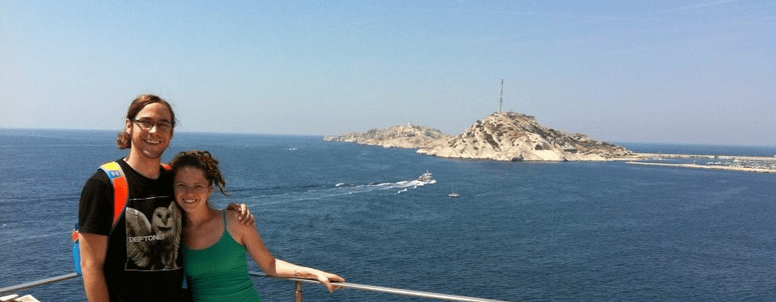


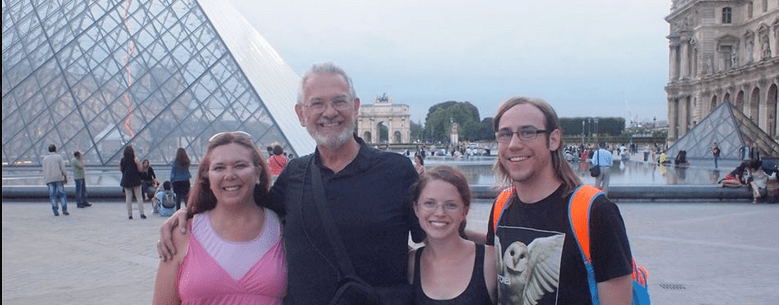
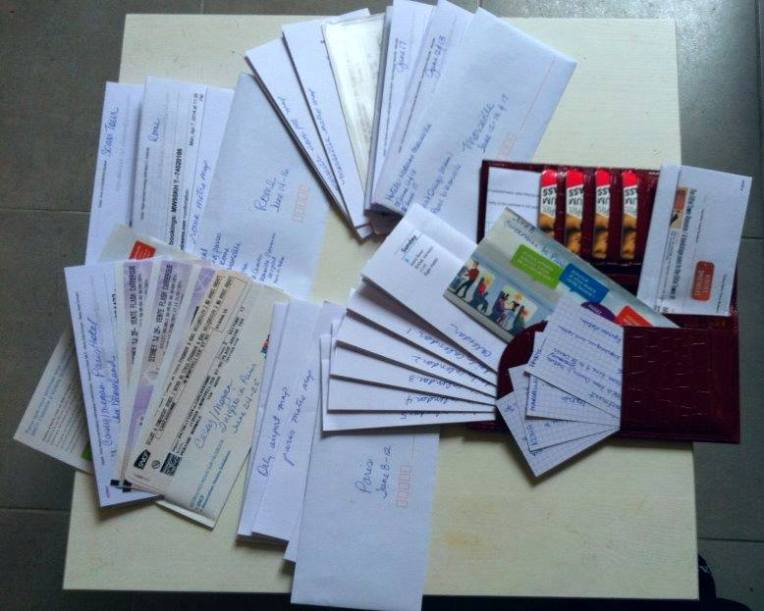
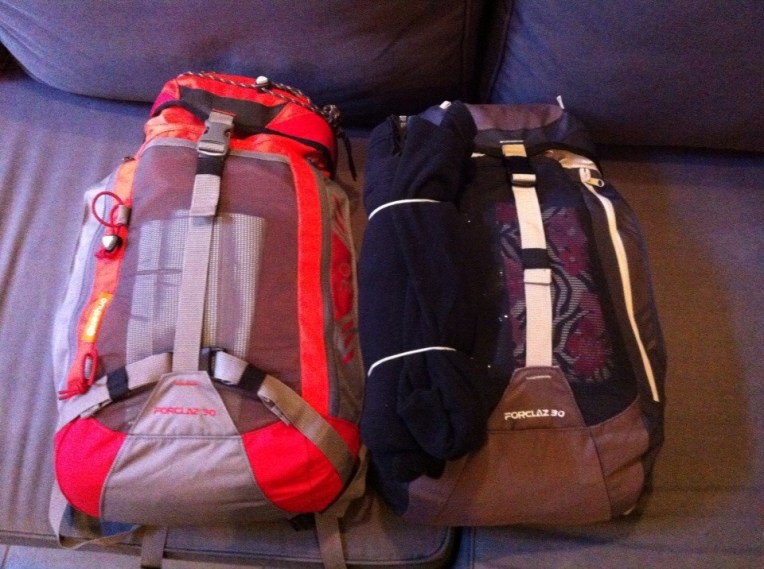


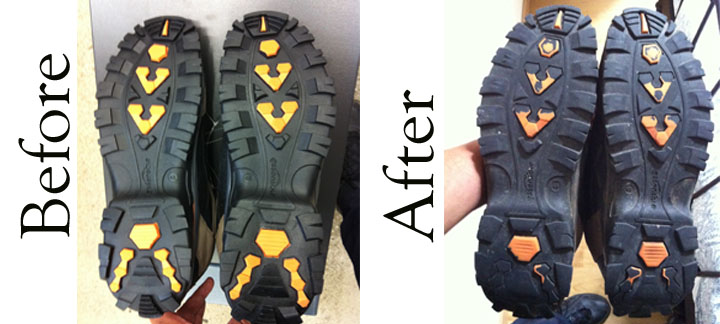


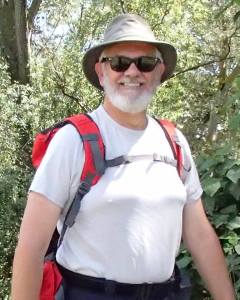


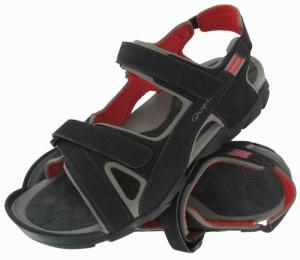

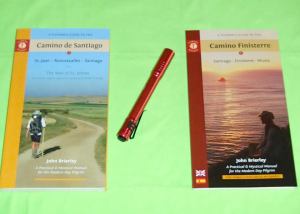

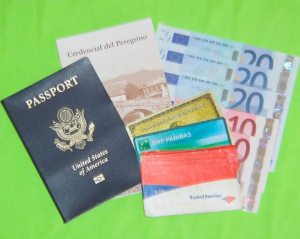

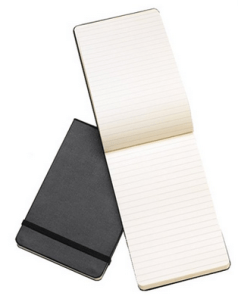
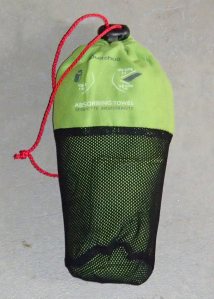
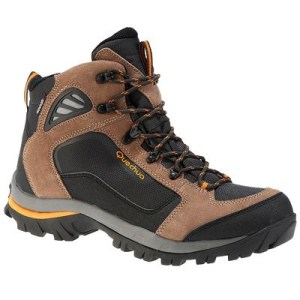

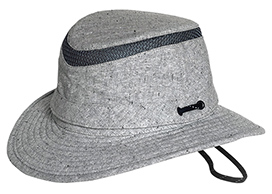
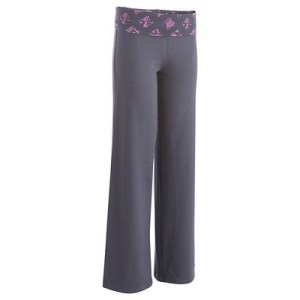
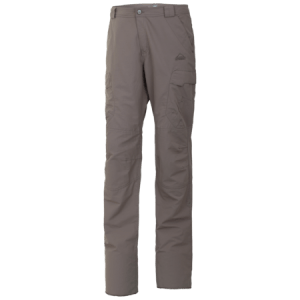

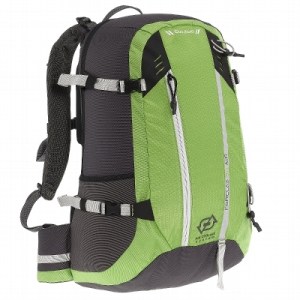

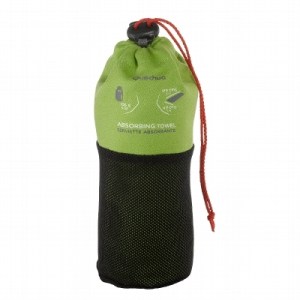
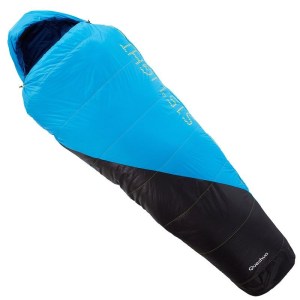

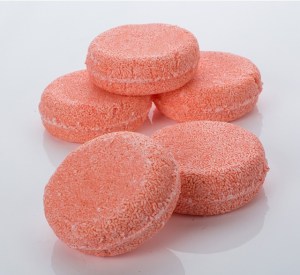

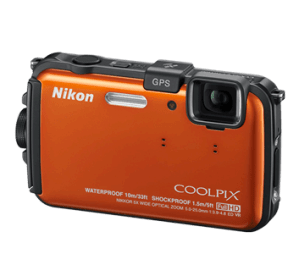


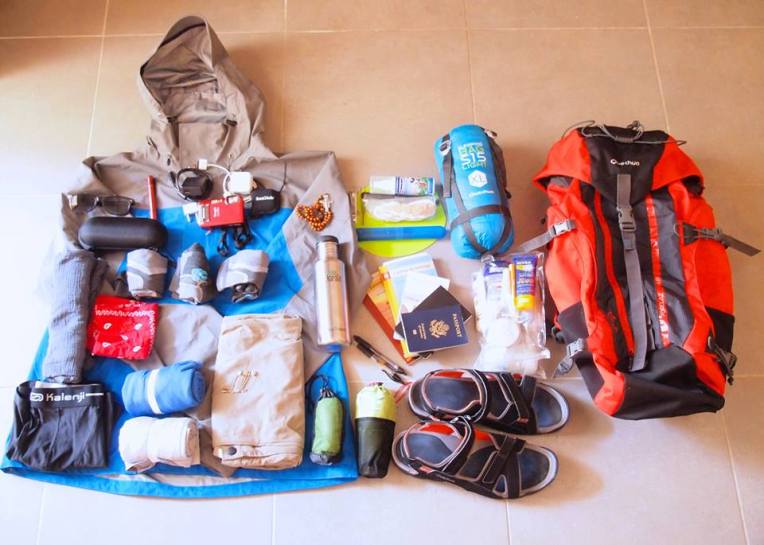

 An Italian Point Of View